5 Signs Your Boardroom Technology Needs an Upgrade
Boardroom AV systems play a critical role in corporate meetings, presentations, and day-to-day communication. When the technology becomes outdated, meetings start late, employees need costly work arounds, and lackluster performance can negatively affect a company’s reputation.
At first glance, system may seem like it’s working, the cameras turn on and sound comes through the speakers, but ongoing issues create frustration that slows down workflows and impacts overall experience. Recognizing the warning signs early can help companies avoid downtime, improve collaboration, and plan smarter AV upgrades.
Here are five signs to look for:
1. Meetings Always Start Late Because of Technology
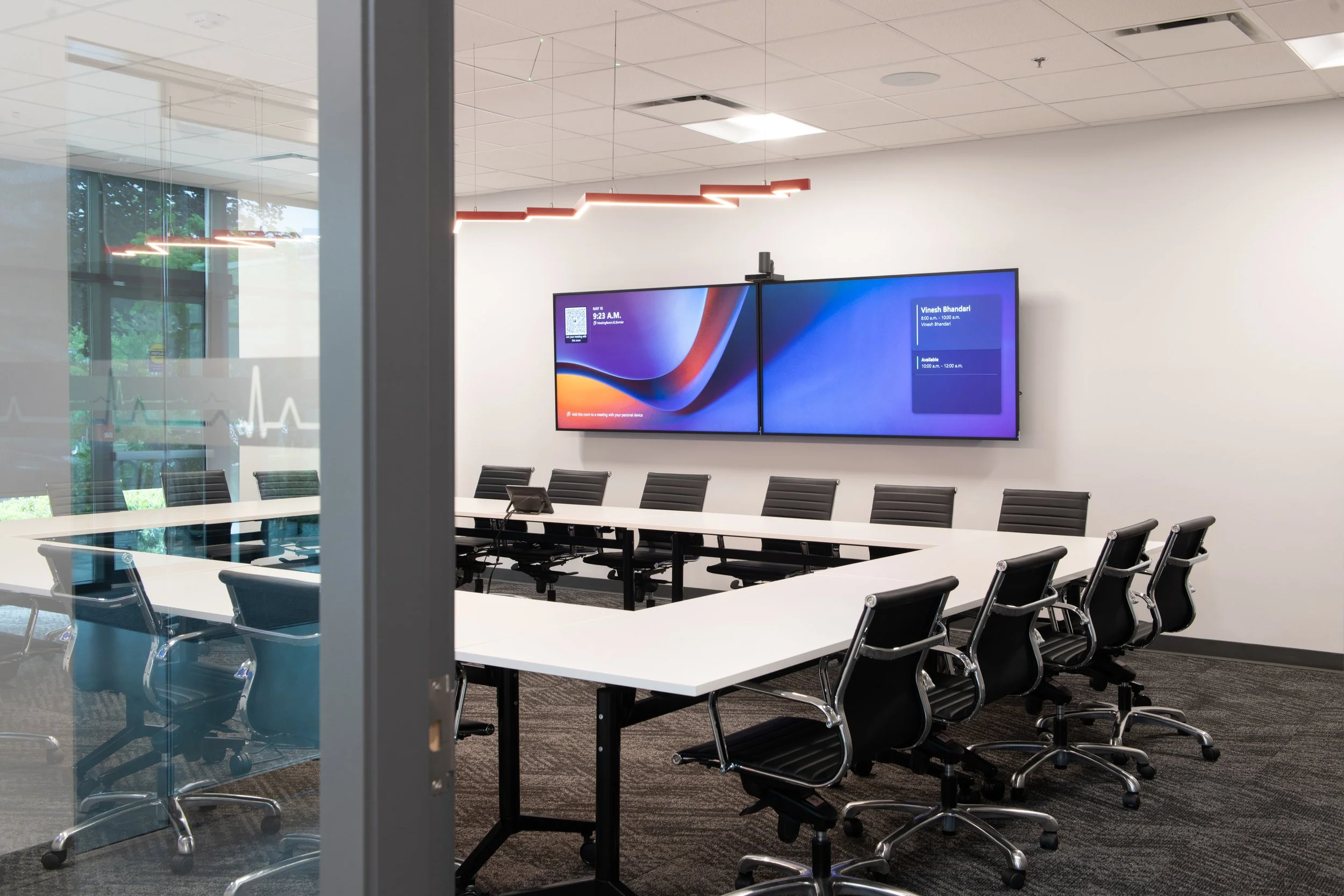
Like most technology, AV systems can occasionally have off days. However, when employees spend several minutes each meeting trying to troubleshoot the displays, audio, or conferencing platforms, it’s usually indicative of a larger issue.
AV is meant to simplify meetings, not complicate them. Aging systems require users to rely heavily on IT support just to start a meeting or share content, even though AV is not their area of expertise. The increase of urgent service tickets, inconsistent connectivity, and complex troubleshooting causes significant bottlenecks, reducing productivity.
If employees regularly struggle to connect laptops, launch meetings, or share content, the current system may no longer be meeting the organization’s needs.
2. Audio and Video Quality Is Inconsistent
Some AV failures are obvious; cameras go dark, speakers stop working, and audio drops unexpectedly. Equipment is usually repaired or replaced quickly in these situations. However, many outdated systems suffer from subtle, equally frustrating disruptions that point towards an upgraded solution.
Limited or grainy camera coverage makes hybrid meetings feel disconnected while poor microphone pickup and echo issues mean remote participants struggle to hear or engage in meetings. If remote attendees constantly ask people to repeat themselves, the technology may be holding communication back.
Older, static cameras without speaker tracking abilities and fragmented, muffled microphones leave remote participants feeling like passive observers rather than active participants. Modern AV systems are designed to support equal participation and create a more engaging hybrid meeting experience.
3. Systems Don’t Support Modern Collaboration
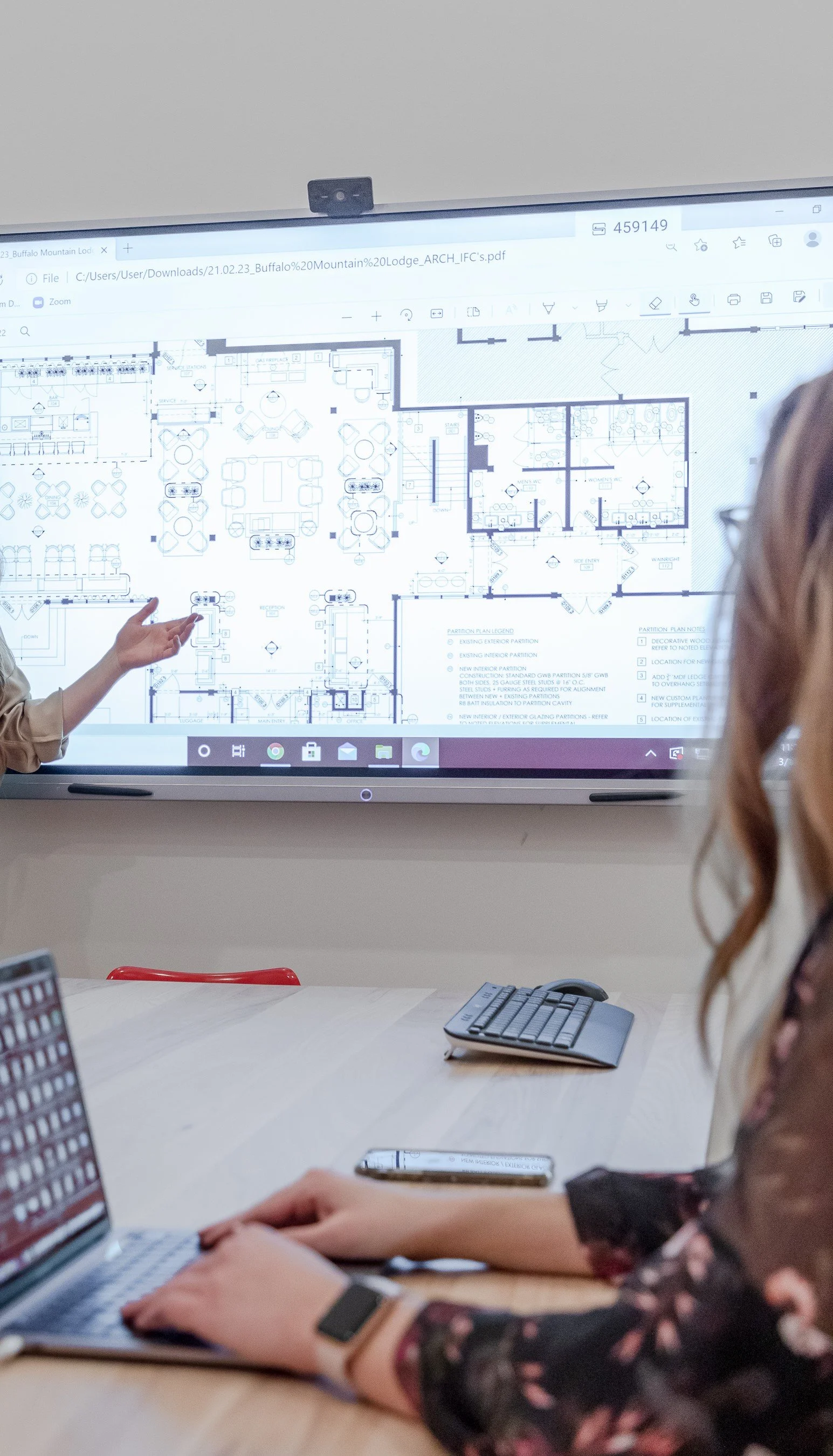
The digital world is constantly evolving. Between new programs, technologies, and innovations, AV systems that were not designed for scalability and futureproofing can have a hard time keeping up. Losing the compatibility with programs used daily effects the productivity and efficiency of those trying to stay current.
Platforms like Microsoft Teams, Google Workspace, and Zoom are the standard in most organizations. AV systems should integrate seamlessly with these platforms to make joining meetings, sharing content, and collaborating as simple as possible. When systems lack compatibility or require complicated workarounds, productivity and user experience suffer.
Modern workplaces rely on flexible collaboration. If employees consistently experience connection issues, software incompatibility, or limited functionality, it may be time to upgrade.
4. Technology Requires Constant Repairs or Workarounds
Aging hardware can break down with frequent use, and if the equipment is outdated, it might be expensive to find a replacement. Parts could be scarce because it’s either not as popular is used to be, there are newer systems available, or is well past the end of its lifecycle.
If money is constantly being thrown at the problem for temporary fixes, it might be time for an upgrade. What seems cheaper now can become more expensive over time. The goal of preventative maintenance isn’t just to keep the technology running, it’s to make sure it continues to meet the needs of those using it. Proactive upgrades reduce downtime and long-term costs, fixing problems before they occur, whereas reactive maintenance can get costly for expedited shipping costs, emergency service calls, and unplanned downtime.
Quick fixes shouldn’t become permanent solutions, and increasing maintenance costs and frequency is a sign.
5. Teams Outgrow the Systems
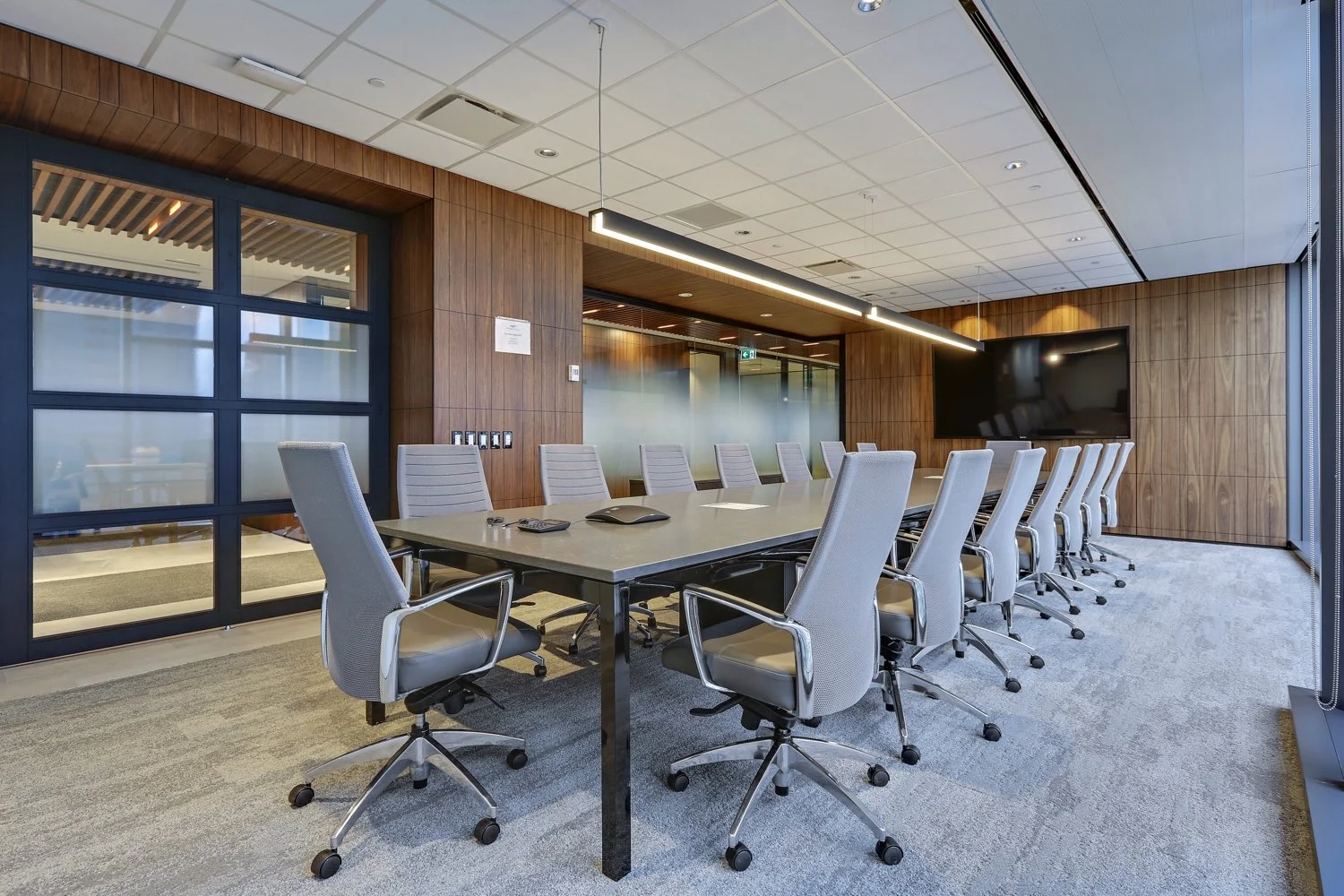
As businesses grow and teams get bigger, AV systems need to evolve alongside them. A boardroom with a conferencing system designed for 4-6 people is not going to have the same effect and level of quality when it now needs to accommodate double the participants.
Boardrooms are often client facing spaces and can say a lot about an organization. Technical issues, poor audio quality, or unreliable meeting experiences can leave a negative impression on both employees and clients.
When meeting spaces no longer align with workplace standards, room capacity, or the way teams collaborate, upgrading the AV system can significantly improve both functionality and user experience.
Conclusion
Outdated boardroom technology isn’t just inconvenient, it impacts productivity, communication, collaboration, and the overall meeting experience. AV systems are designed to simplify workflows, improve reliability, and support the way teams work today. Identifying these warning signs early can help organizations plan upgrades strategically rather than reacting to ongoing issues.
Not sure if your boardroom technology is keeping up? An AV assessment can help identify opportunities to improve your existing set up or identify scalable upgrades with a focus on longevity.

Frequently Asked Questions
-
Common warning signs include frequent meeting delays, poor audio or video quality, connectivity issues, unreliable conferencing performance, and systems that no longer integrate properly with platforms like Microsoft Teams or Zoom.
-
Outdated technology often leads to troubleshooting delays, disrupted communication, and increased reliance on IT support. These interruptions reduce meeting efficiency, waste employee time, and create frustration for both in-person and remote participants.
-
Companies should consider upgrading when maintenance costs increase, systems become unreliable, collaboration tools are no longer supported, or the technology no longer meets the needs of the space or users.
-
Yes. Older cameras, microphones, and conferencing systems often struggle to provide clear audio and video for remote participants. This can make hybrid meetings feel disconnected and reduce engagement and collaboration between in-person and remote attendees.
-
Modern AV systems should provide reliable audio and video performance, seamless conferencing integration, easy content sharing, scalability, and intuitive controls that simplify the user experience.
-
An AV assessment helps identify performance issues, outdated equipment, compatibility limitations, and opportunities for improvement. It also helps organizations plan upgrades strategically based on their current needs and future growth.