
Posts in Blog Posts
Council Chamber AV: What to Know Before Upgrading

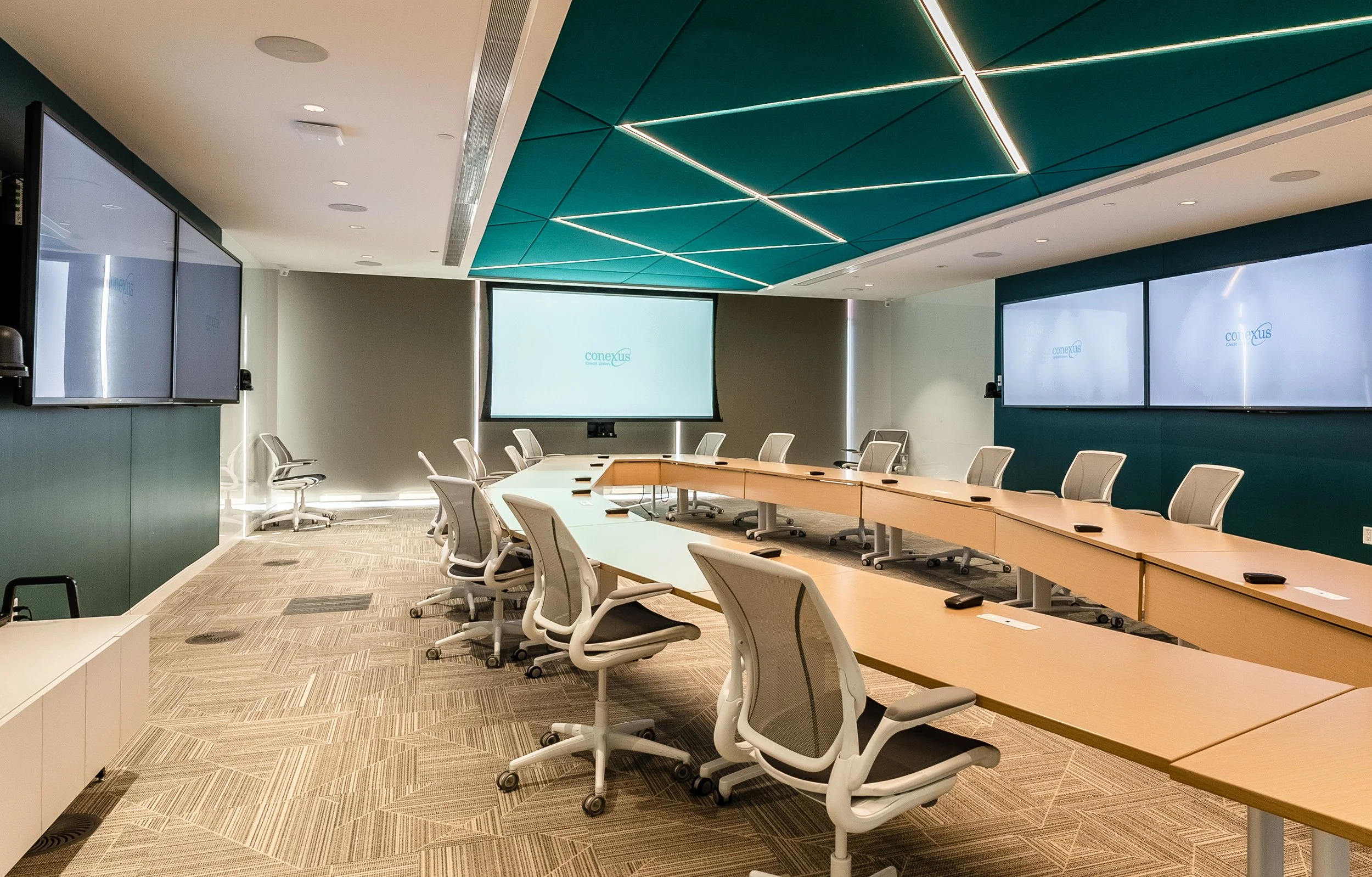
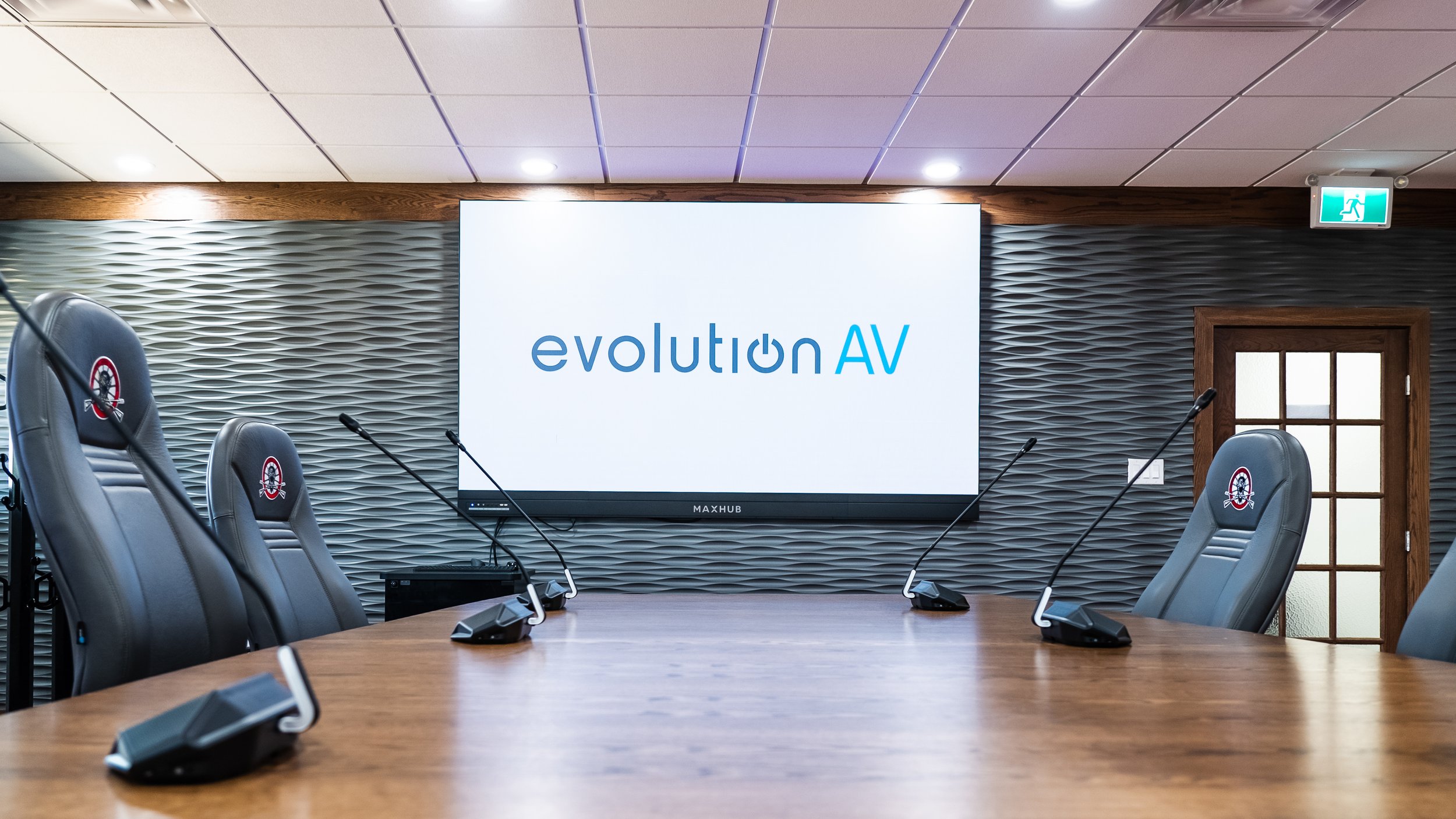
The start of a new council term is a good opportunity to review whether the chamber is meeting the needs of those who rely on it. When the AV works properly, council members can focus on the discussion, staff can focus on running the meeting, and the community can follow along without struggling to hear or see what's happening. Sometimes that means a full system upgrade. In other cases, improving audio, updating cameras, or simplifying controls is enough to make meetings easier to manage.

Read More
AV Security: A Checklist for Canadian IT Teams

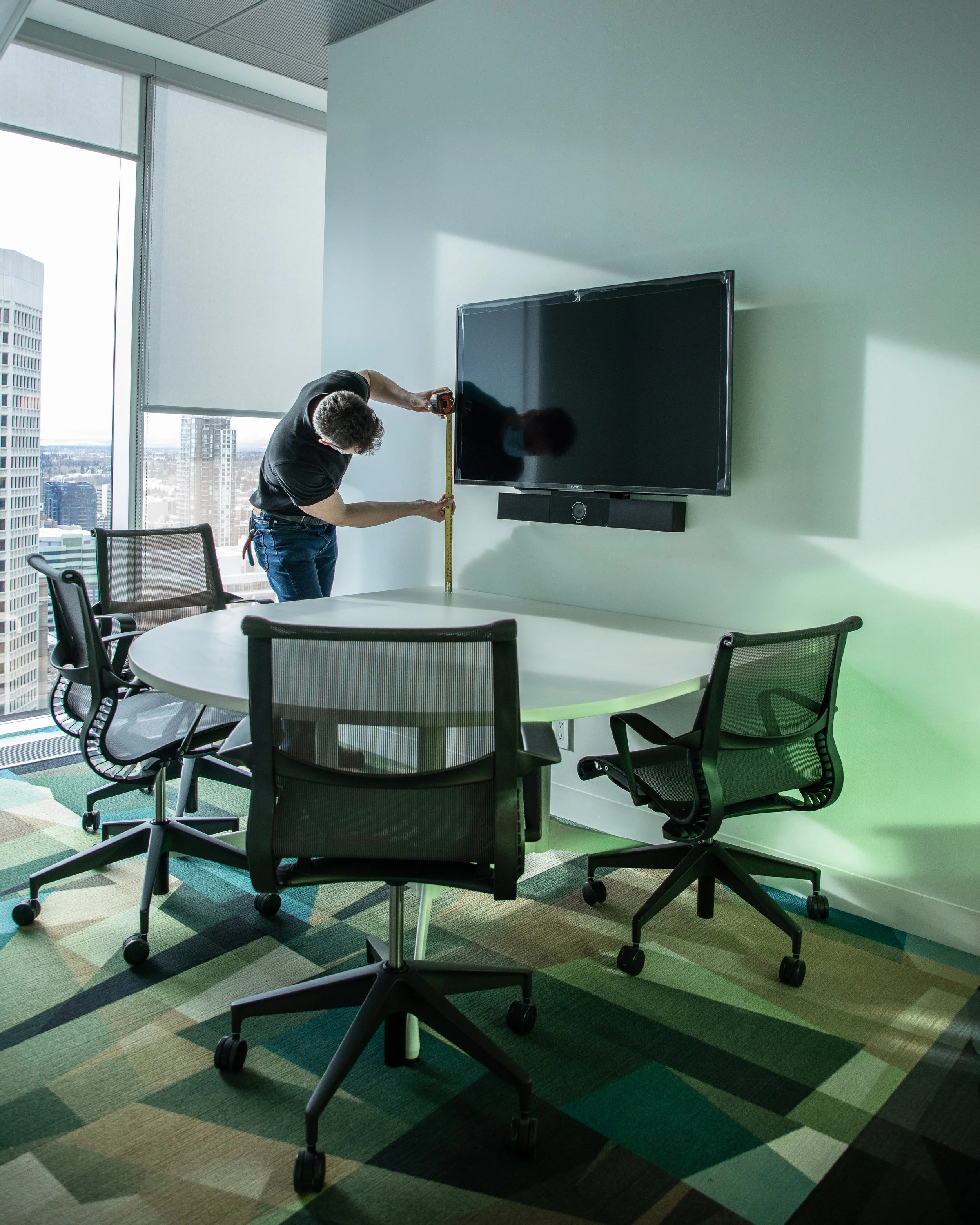
The video bar above the display, the touch panel on the table, and the control processor in the ceiling all rely on network connectivity. Bringing IT and the AV integrator together early helps identify network requirements, plan access controls, and establish what documentation and support will be needed once the rooms are in use.

Read More
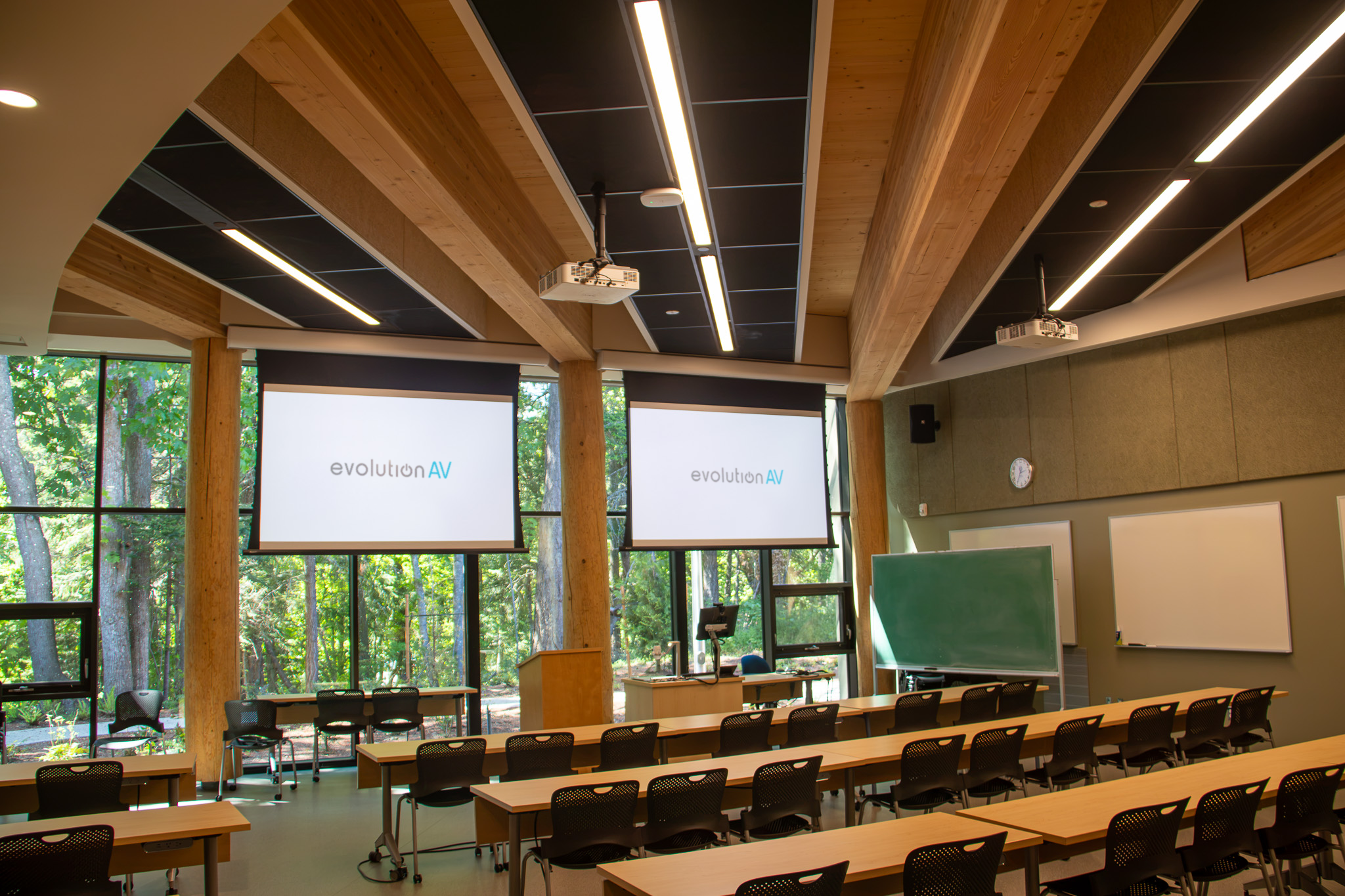
Can You Use a Projector in a Bright Boardroom?

Modern designs and architectural trends lean towards large, bright, open spaces. A bright boardroom doesn't automatically rule out projection. With the right combination of projector brightness, screen material, image size, and viewing conditions, a projection system can deliver clear content in many commercial environments.

Read More
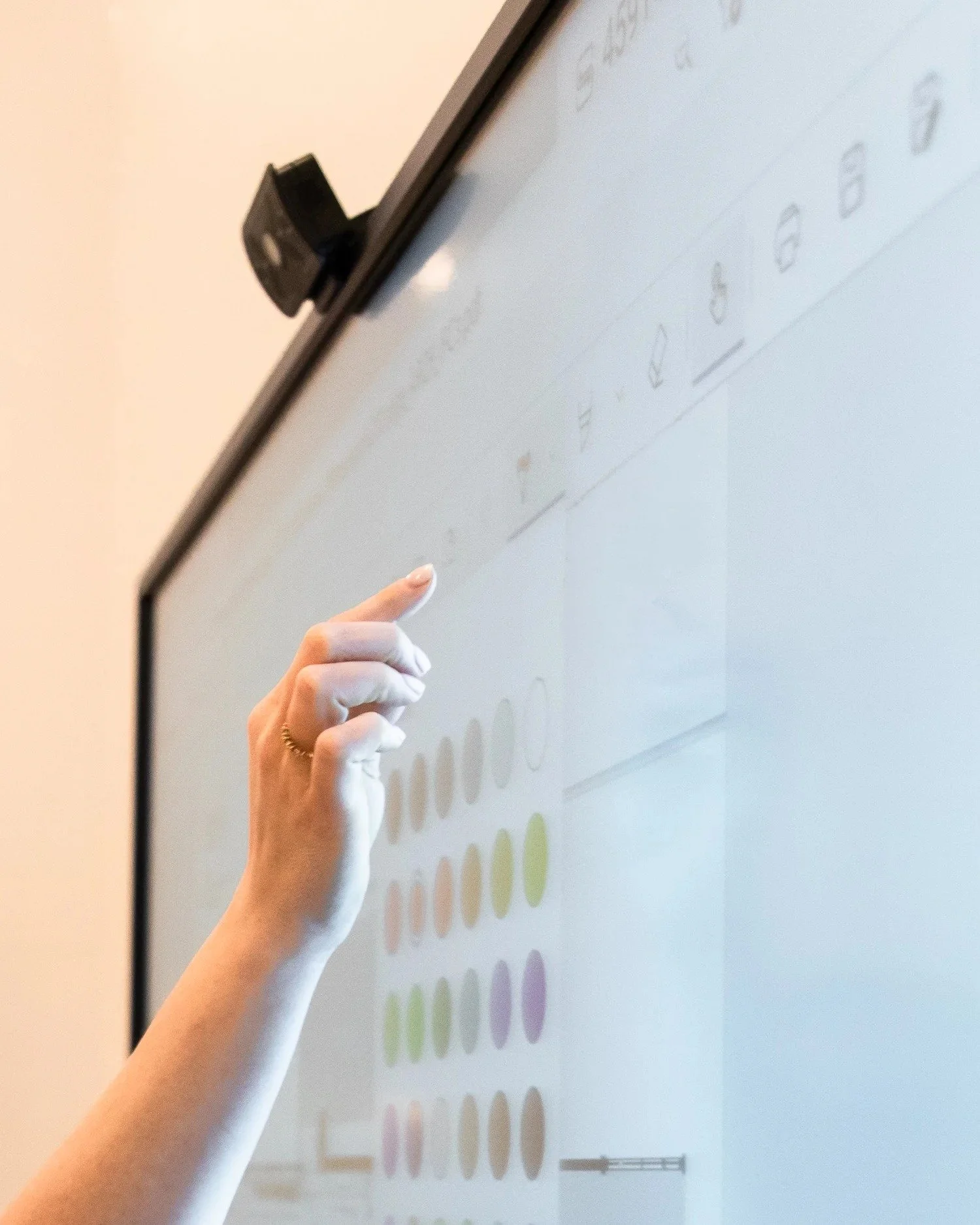
Interactive Displays for Canadian Meeting Rooms

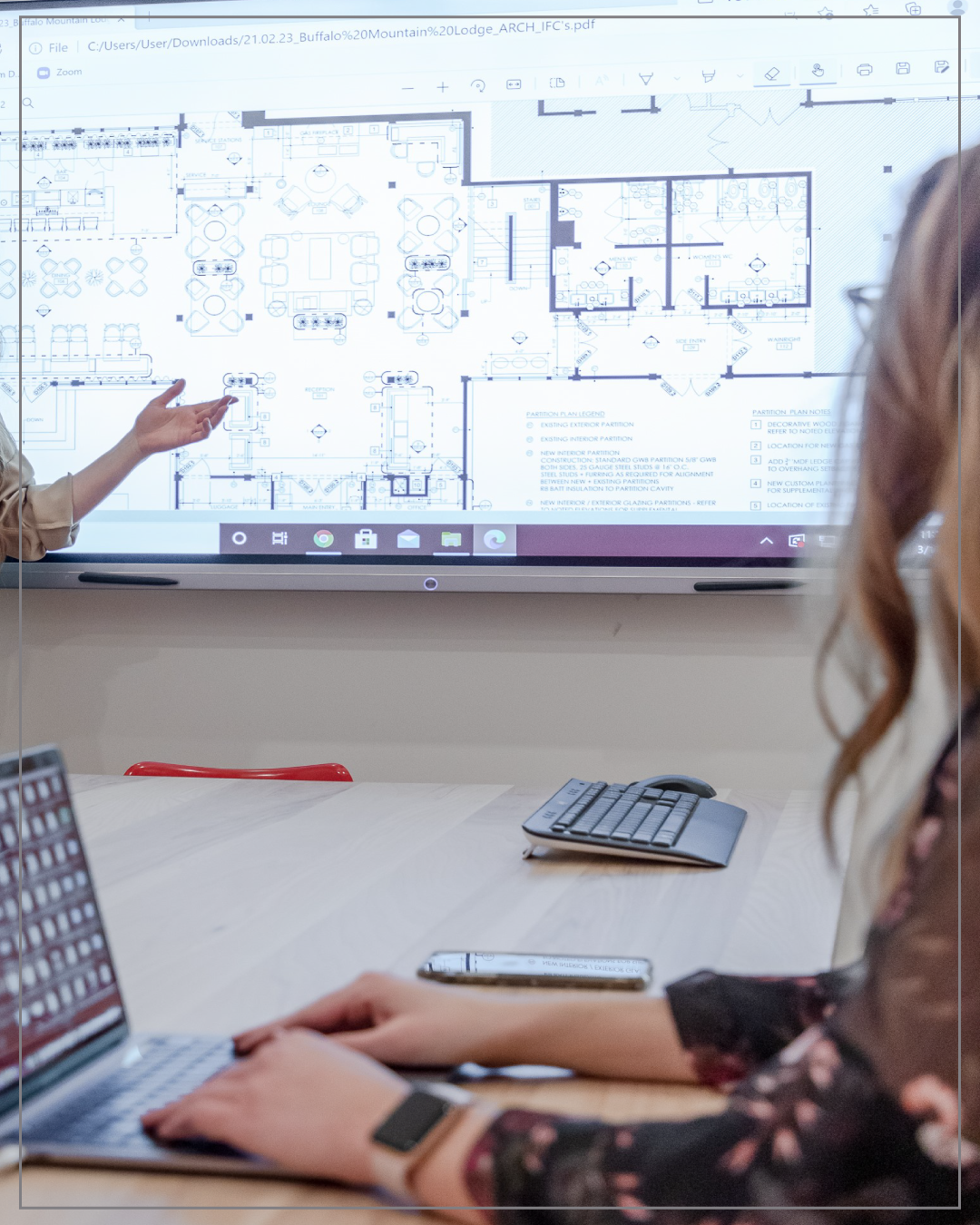
Interactive displays bring whiteboarding, annotation, content sharing, video conferencing, and collaboration into one device. That can be useful in huddle rooms where people are working through ideas together, or in a larger meeting space where documents and presentations need to be marked up in real time. Here are some of the features worth considering.

Read More
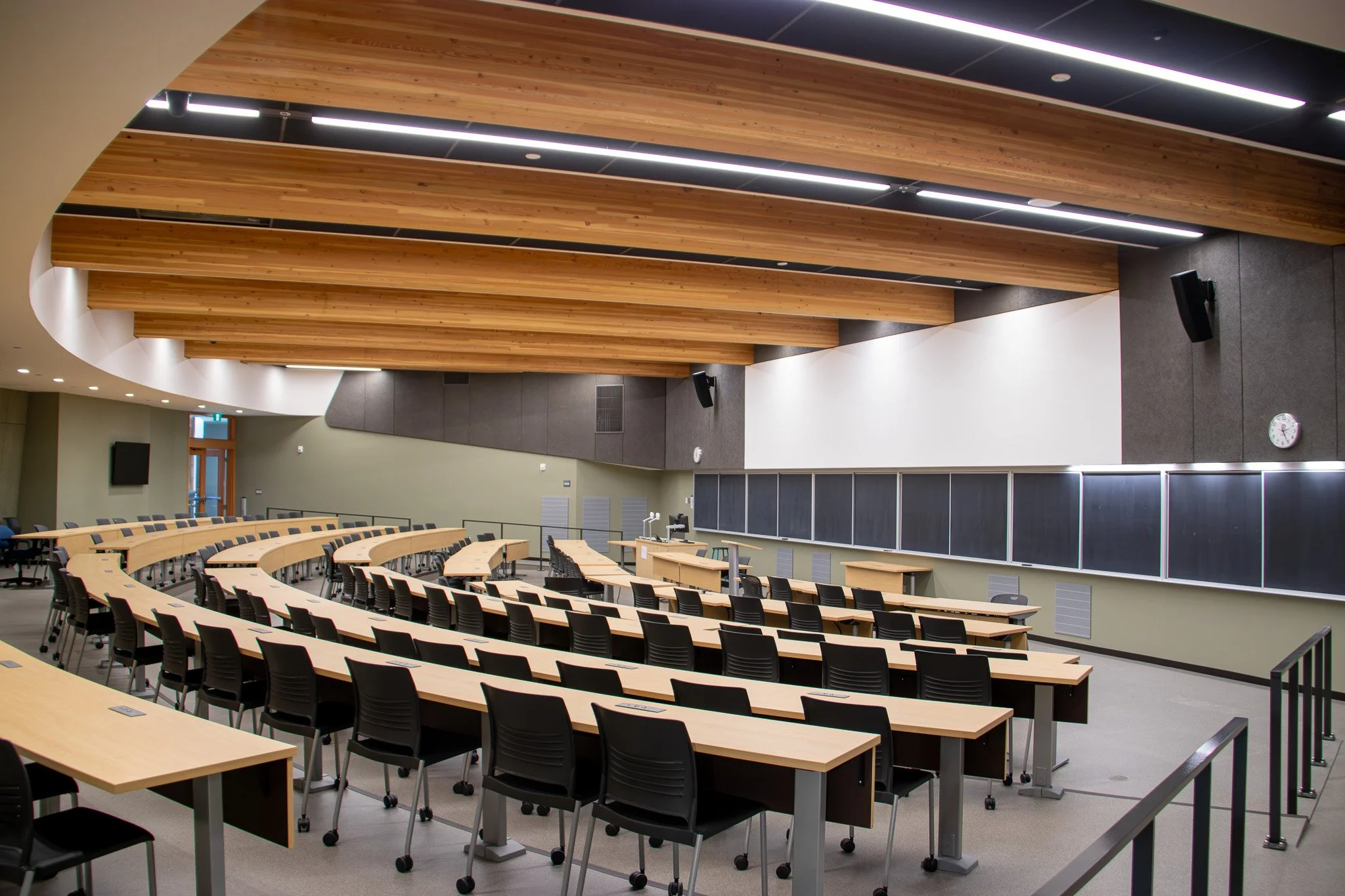
How to Achieve Even Audio Coverage in a University Lecture Hall

A lecture hall does not need to be louder to be easier to hear. It needs an audio system that works with the room, accounts for how sound travels, and delivers consistent coverage across the seating area. Each space needs to be designed with the audience in mind, taking into account the room's dimensions, seating arrangement, ceiling height, acoustics, and architectural design.

Read More
Microsoft Teams Rooms Are Changing: What IT Directors Need to Know

Microsoft has been making several changes throughout 2026. The changes affect different parts of a Teams Rooms deployment, so the first step is figuring out which devices are actually affected. From there, IT teams can decide what needs to be replaced and what can stay.

Read More
Classroom AV Troubleshooting: 7 Things to Try When Something Isn’t Working

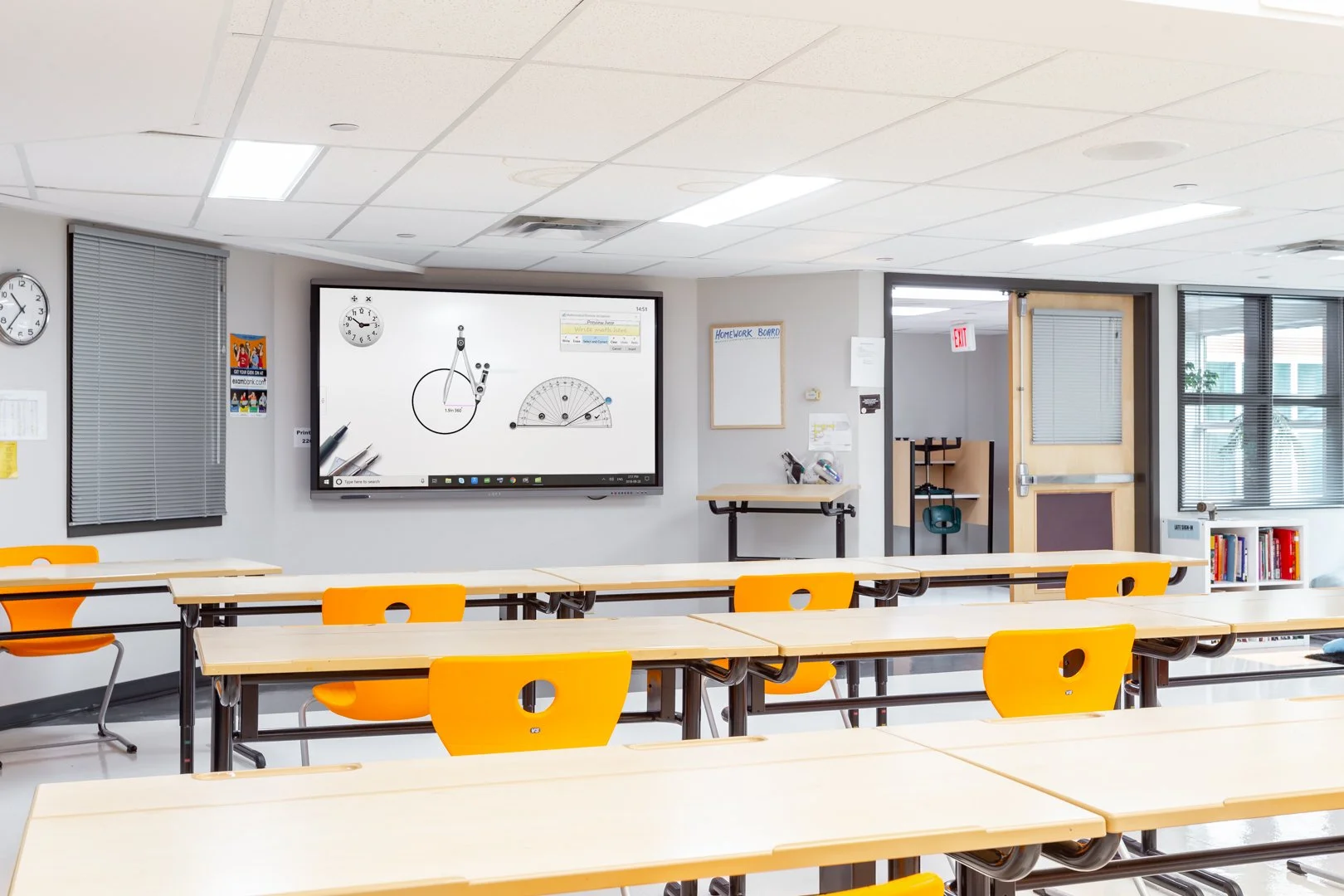
The first few weeks of a new semester are always busy as staff and students get used to new spaces and technology. Instructors shouldn’t be expected to troubleshoot complex AV systems themselves, but sometimes waiting in the long service queue isn’t an option. Knowing a few basic checks can help resolve straightforward issues quickly. Here are seven things to try when classroom AV isn't working:

Read More
6 New Video Conferencing & Collaboration Technologies You Might Have Missed in 2026

Technology is constantly advancing. Whether its new cameras, room systems, collaboration platforms, or management tools, these innovations are changing how meeting spaces are designed, used, and supported. Here are six new video conferencing and collaboration technologies you might have missed that are changing the game:

Read More
The Complete Guide to Commercial Digital Displays

Whether you're outfitting a new meeting room, replacing an aging projector, or installing digital signage across multiple locations, choosing the right commercial display can be overwhelming. With LCD displays, Direct View LED, interactive touch displays, and projection systems all offering different advantages, knowing where to start isn't always easy. This guide covers all you need to know.

Read More
Microsoft Teams Rooms: The Complete 2026 Guide

Planning a Microsoft Teams Room in 2026? This guide covers Teams Rooms hardware, licensing, BYOD vs. dedicated meeting spaces, AI-powered features, room design considerations, and how to choose the right solution for small, medium, and large meeting rooms.

Read More
AV-over-IP vs IPMX: What’s The Difference?

Over the last several years, AV-over-IP has become increasingly common in meeting spaces, campuses, and large commercial facilities. As it continues to grow, another term has started appearing alongside it: IPMX. Understanding what AV-over-IP and IPMX does within an AV system and how it differs from traditional integration can help make ensure your space does exactly what you need it to.

Read More
Ottawa’s 4-Day Office Mandate Starts July 6: Are Your Meeting Rooms Ready?

The Canadian federal government announced a return to work mandate starting July 6, 2026. As office occupancy increases, having the right meeting room technology in place can be the difference between a workplace that feels overcrowded and one that just works. The question isn't if employees are returning to the office, it’s will your meeting spaces and workplace technology be ready when they do.

Read More
How to Choose the Right AV Equipment for Your Hybrid Meeting Rooms

Most meetings today include a mix of in-room and remote participants, which makes the hybrid meeting room one of the most important spaces in any office. The right AV technology can make a huge difference in how teams communicate and collaborate. But choosing the right solution starts with understanding the room, the people using it, and the goals you're trying to achieve.

Read More
What are Video Walls and Why are They so Popular?

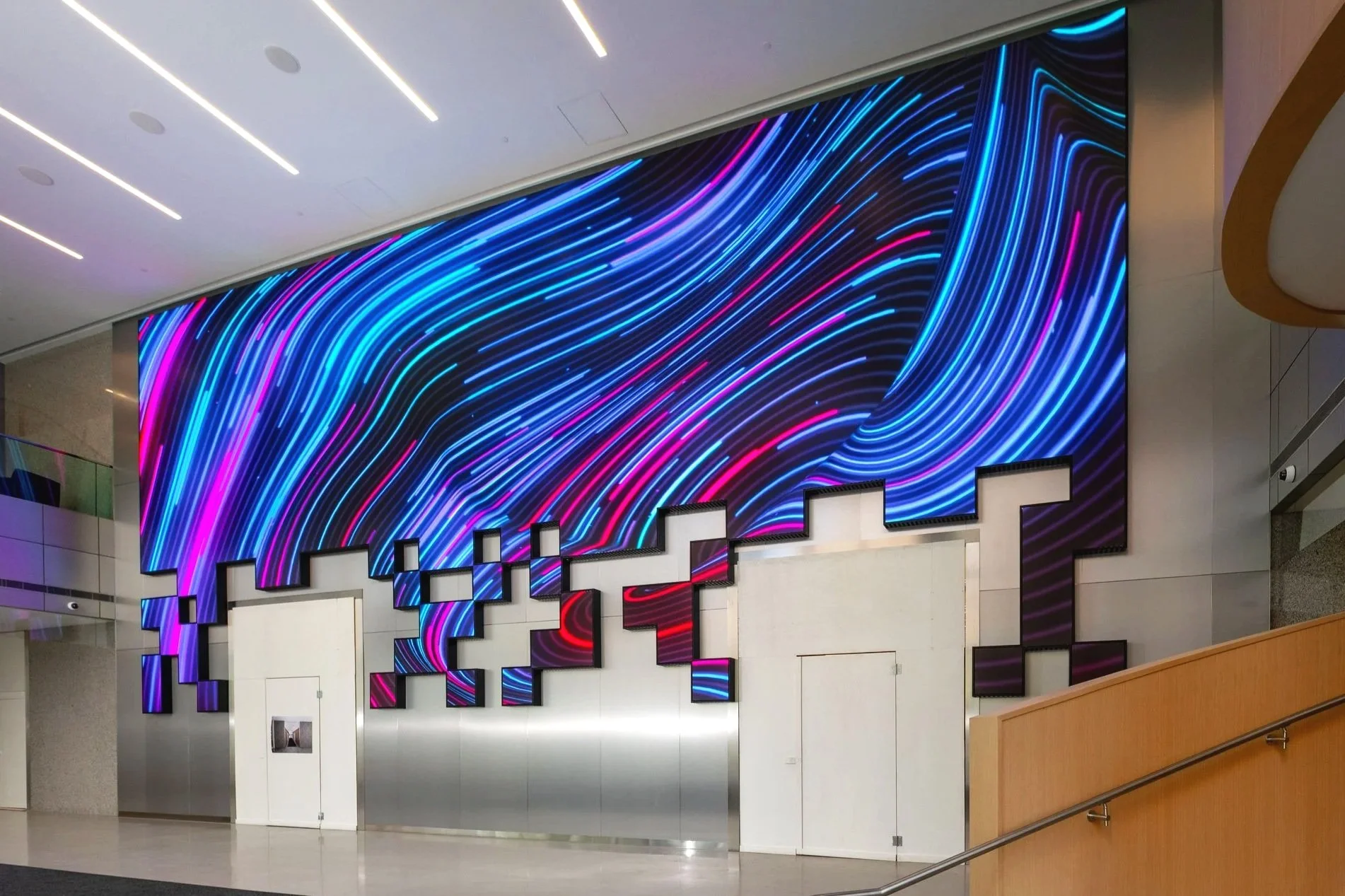
Evolving far beyond entertainment venues and concert stages, video walls can be built to fit nearly any space, whether it’s a large auditorium backdrop, a multiuse display in a school gymnasium, a feature wall in a corporate lobby, or an outdoor event screen. Their flexibility, visibility, and long-term reliability are why they are being integrated into any space. 

Read More
5 Signs Your Boardroom Technology Needs an Upgrade

Outdated boardroom technology isn’t just inconvenient, it impacts productivity, communication, collaboration, and the overall meeting experience. AV systems are designed to simplify workflows, improve reliability, and support the way teams work today. Identifying these warning signs early can help organizations plan upgrades strategically rather than reacting to ongoing issues.

Read More
The Pros and Cons of BYOD in Corporate Meeting Spaces

BYOD has become increasingly popular in the past several years, contributing to the standard for hybrid-work and collaboration. It offers a cost-effective, flexible, user-friendly way for individuals to utilize the systems available on the device most familiar to them. However, is BYOD only set ups the right choice?

Read More
Meeting Rooms vs Boardrooms – Different AV for Different Needs

While both meeting rooms and boardrooms are designed for collaboration, the type of meetings held in each and the expectations that come with them vary significantly. That means the audio visual technology supporting those spaces needs to be just as intentional. From quick team huddles to high-stakes executive discussions, aligning AV solutions with the room’s purpose is key to creating productive, seamless experiences.

Read More