
Sound Masking vs Acoustic Treatment: What’s the Difference?
Great AV isn’t just about displays, microphones, and speakers, it’s about how sound behaves in the space itself. Even the highest quality conferencing system will suffer if the room is filled with echo or conversations carry across an open office. That’s where sound masking and acoustic treatment come in.
Both are critical components of a complete AV strategy. Acoustic treatment improves how a room sounds. Sound masking improves how a space functions.
Effective AV system design requires strategic control of sound through the ABCs of acoustic performance:
Absorb: Reduce echoes and reverberations to lower the overall noise level
Block: Prevent sound transmission between spaces using physical barriers like walls and furniture
Cover: Utilize sound masking systems to introduce low level background sound to cover or ‘mask’ voices
Sound masking is a tech-based, proactive solution, while acoustic treatments offer passive and material-based sound control. Both target specific challenges, but understanding how they work is key to designing spaces that sound as good as they function.
What is Sound Masking?
Adding sound to a space to make it quieter seems counter-intuitive, but it actually works!
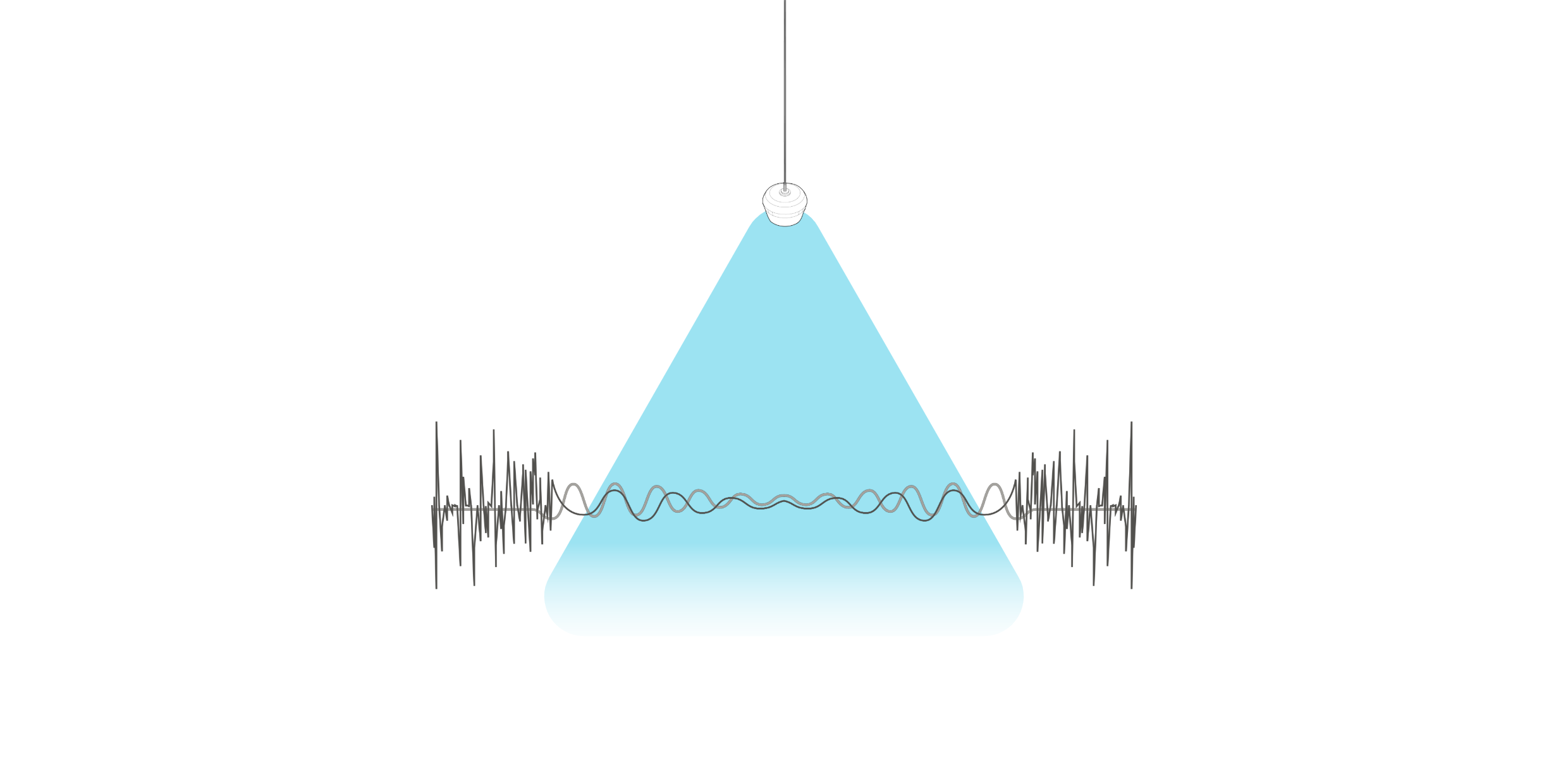
Sound masking introduces a specifically engineered sound tuned to match the lower frequencies of human speech. Small, nearly invisible loudspeakers, known as emitters, are installed in the ceiling to evenly distribute the masking. This ambient background noise reduces the intelligibility of speech, making conversations less distracting and more private. Rather than eliminating conversations, it reduces the distance at which they can be understood.
The result? Conversations that would normally be distracting just 15 feet away fade into the background.
Spaces suffering from constant noise distractions or in need of increased privacy, like open offices, healthcare facilities, call centers, financial institutions, and multi-use spaces can greatly benefit from a sound masking system.
If sound masking addresses privacy and distraction, acoustic treatment addresses clarity and noise level.
What is Acoustic Treatment?
Acoustic treatment controls how sound behaves inside a room.
Hard, smooth surfaces like glass, brick, tile, and hardwood floors reflect sound waves. Each reflection builds on the next, creating echo and reverberation that reduce clarity and increase listening fatigue.
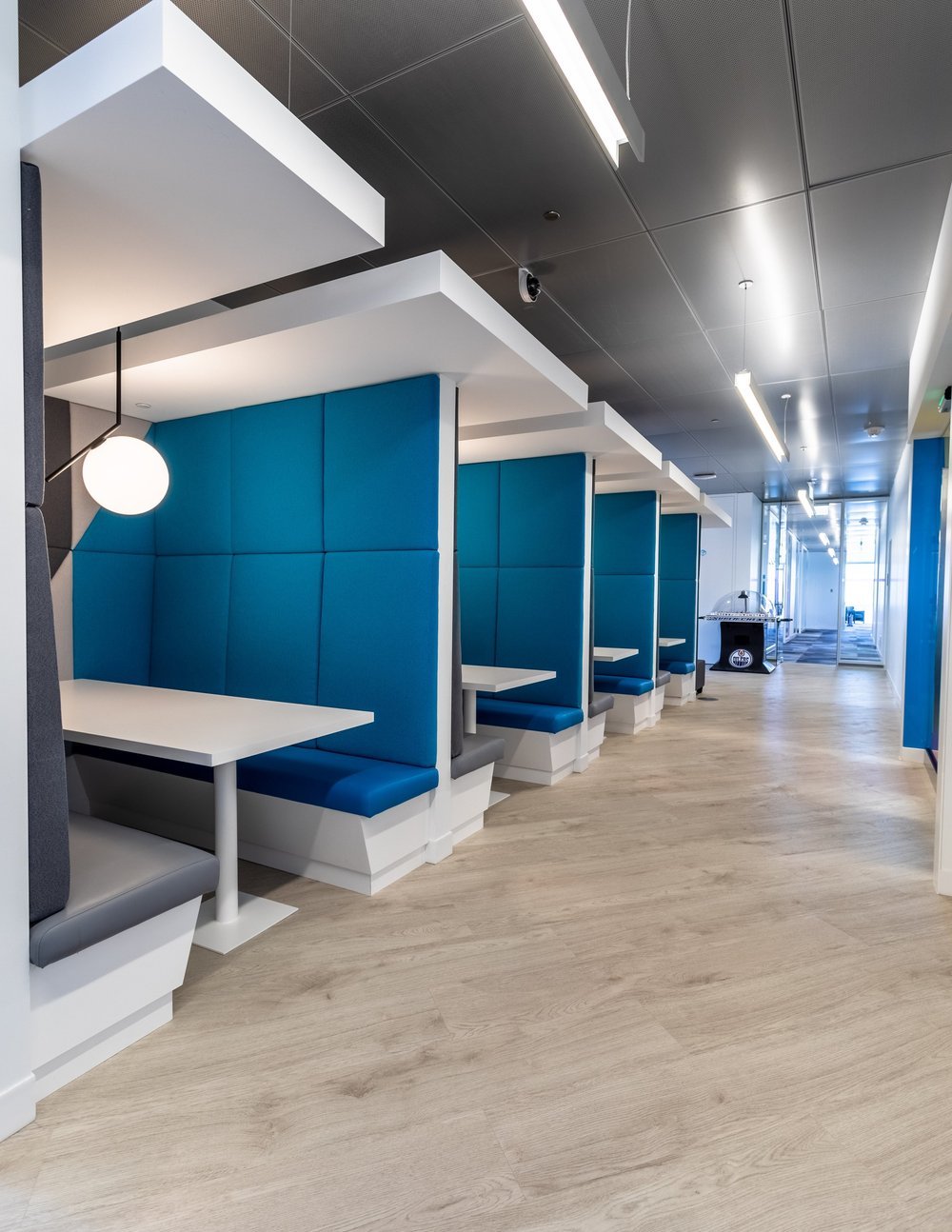
Acoustic treatments, such as panels, diffusers, carpet, and partitions, absorb or scatter sound energy before it can accumulate. This reduces echo, improves speech clarity, and creates a more controlled audio environment.
Acoustic panels are strategically placed at primary reflection points to maximize performance while complementing the room’s aesthetic. This solution is ideal for boardrooms, classrooms, auditoriums, or any space needing to lower its noise buildup.

Sound Masking vs Acoustic Treatment: Why the Best Solution Is Often Both
Many projects focus on one solution while overlooking the other. Treating a room without addressing speech privacy still leaves distraction issues unresolved. Installing sound masking without addressing excessive reverberation limits intelligibility gains.
When combined, sound masking and acoustic treatment work together to deliver:
Clarity: Reduced echo and improved intelligibility
Comfort: Balanced sound levels with minimized distractions
Privacy: Limited speech transmission and reduced intelligibility over distance
Productivity: Fewer disruptions and improved focus
In open offices, for example, acoustic ceiling treatments can control reverberation while zoned sound masking reduces conversational distraction. The result is a space that supports both collaboration and concentration.
Why Work with an AV Integrator?
Effective sound masking requires more than just speakers. It’s a carefully designed system of emitters, controllers, zoning, and tuning, all calibrated to the unique needs of a space. That’s why we partner with industry leaders like Atlas Sound and Cambridge Sound Management to deliver proven, high-performance sound masking systems tailored to each environment.
From site analysis and integrated system design to installation and on-site tuning, our team ensures every solution is performance driven and future ready. By combining premium technology with thoughtful acoustics, we create environments that don’t just sound better, they work better.
Designing Spaces That Sound as Good as They Look
Where there is noise, there is opportunity for improvement. Whether the goal is clearer meetings, greater speech privacy, or a more comfortable workplace, understanding the distinction between sound masking and acoustic treatment is the first step toward better acoustic performance.
When the environment performs better, everything else does too.

Not sure whether your space needs sound masking, acoustic treatment, or both? Let’s evaluate your environment and design a solution that supports performance from the ground up.