
Why AV Integration Should Start on Day One: 5 Reasons Architects and Contractors Should Plan Early
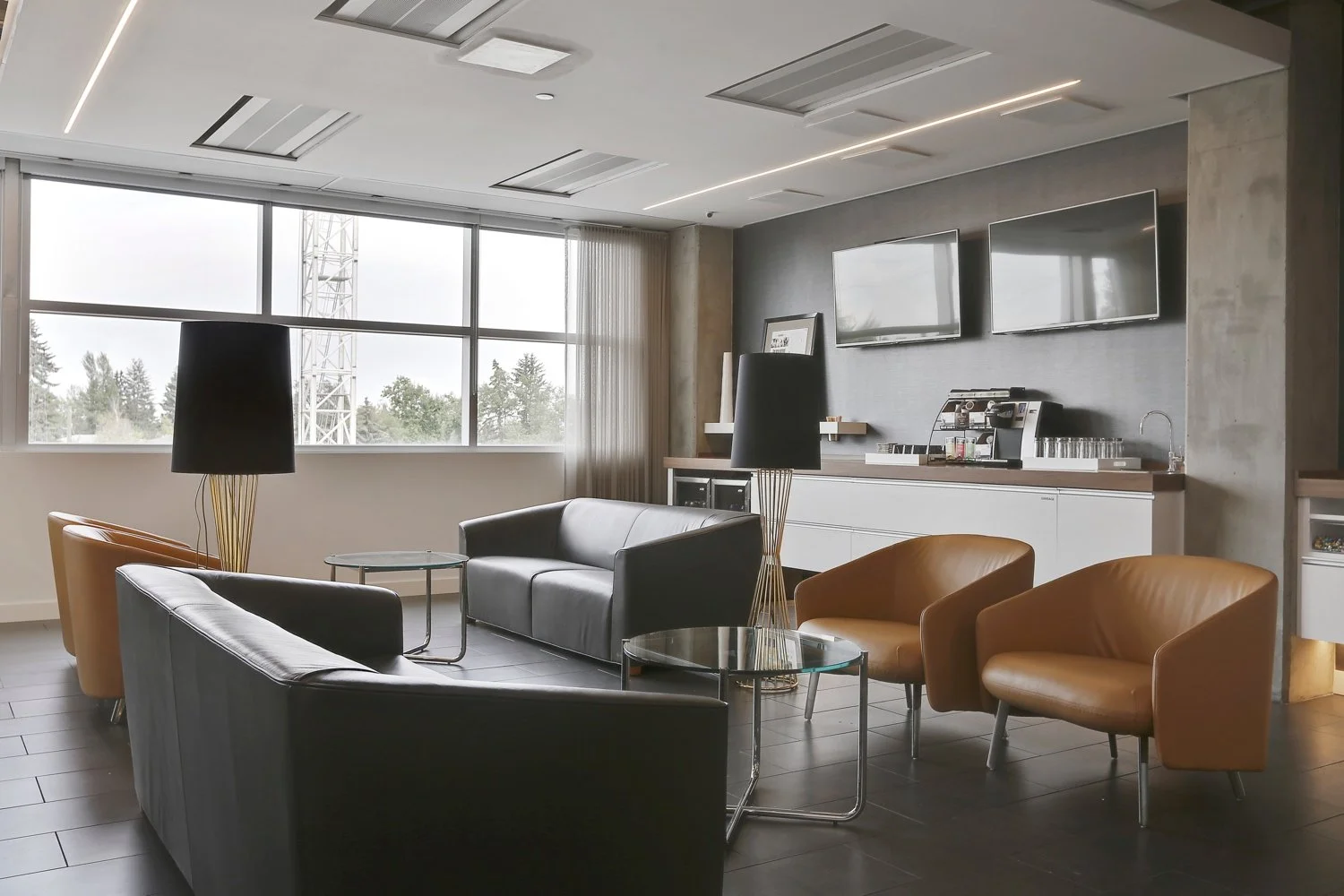

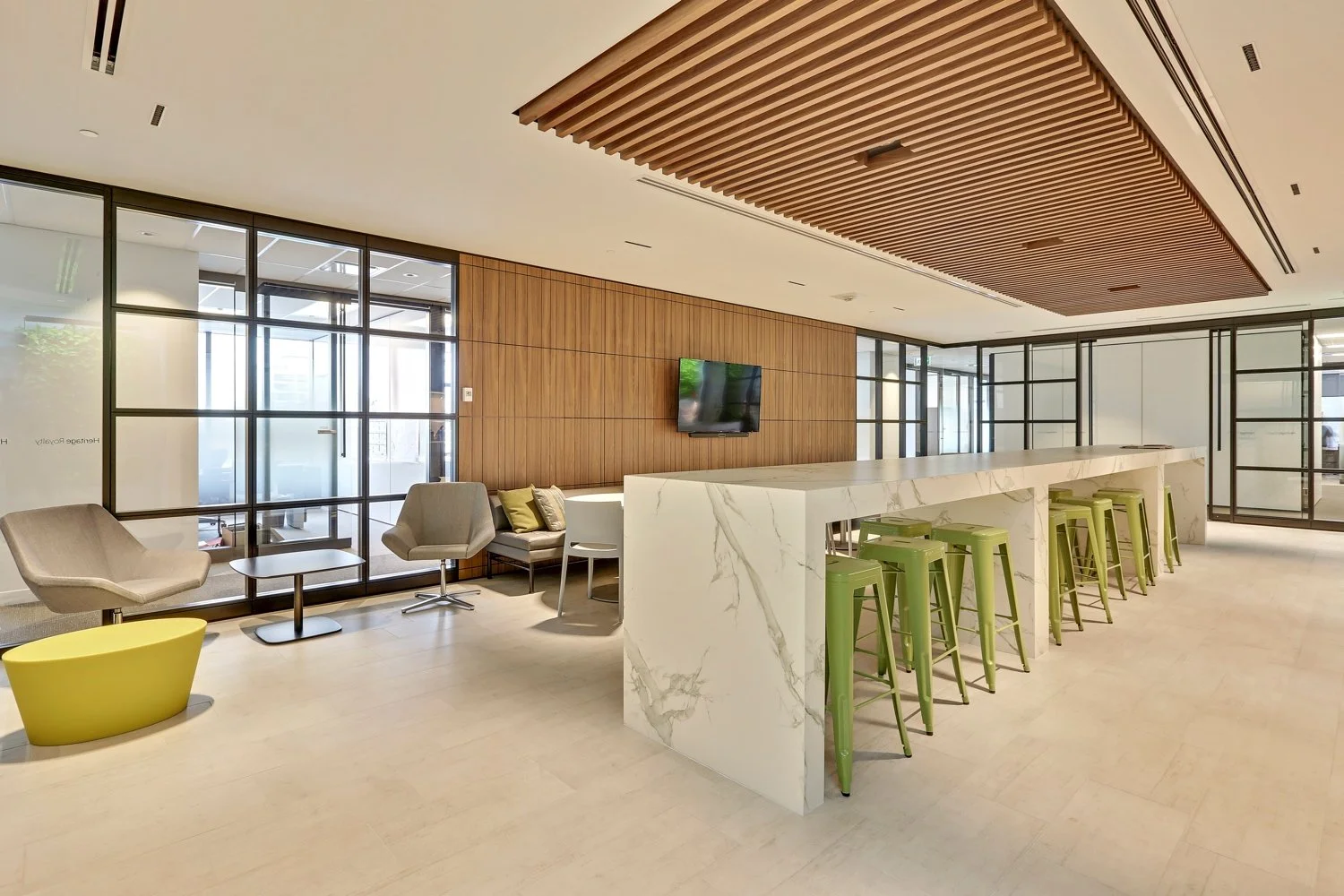
One of the most common mistakes in commercial building projects is bringing in audiovisual (AV) integration professionals after the architecture and construction plans have been finalized. By that point, most of the structural, electrical, and design decisions have already been made, leaving AV systems to squeeze into a space that wasn’t designed to support it.
Whether it’s a corporate boardroom, classroom, healthcare facility, or hospitality venue, the success of the environment often depends on how well the technology works. That’s why involving an AV integrator early in the design process is essential.
Here are five reasons why incorporating AV from the beginning of a project creates stronger, more functional environments:
-
Conduit, power circuits, structural blocking, and data pathways are far easier and more cost-effective to install during construction than after a space is finished. When AV infrastructure is incorporated into the early design phase, these requirements can be included in the original construction documents.
This approach avoids the need for technicians to cut into finished ceilings, fish cables through insulated walls, or reinforce structures that were not designed to support the weight of large displays.
Rework can be costly. What could have been installed during framing often becomes a multi-day disruption once the building is occupied. Boardrooms and service areas close for construction, disrupting the workflow and productivity of people who rely on these spaces. Early infrastructure planning leads to faster installations, cleaner finishes, more predictable budgets, and spaces work from day one.
-
Room acoustics are determined by a building's bones: ceiling height, surface materials, room size, and HVAC placement. This is decided early, often before AV systems and requirements are concidered. By the time speakers are being mounted, the acoustics of the room have already been determined.
Hard, smooth surfaces, like bare walls and tile floors, create echo and reverberation. Thin walls allow for sound to travel between rooms, and HVAC registers introduce background noise that interfere with microphone clarity. These issues can quickly undermine the entire purpose of the room.
While there are many solutions to poor audio quality, such as introducing sound masking or installing acoustic panels, designing a space with acoustics in mind mitigates the need for additional corrective measures.
Small adjustments during the design stage, like different flooring, ceiling tiles, or adding decoupled wall assemblies can significantly improve sound quality. Because these treatments are integrated into the architecture, they improve sound quality without compromising the visual design.
Great audio performance often begins with design decisions made long before a single speaker is selected.
-
Every environment has a specific purpose, and the technology inside it should directly support that. Presentation walls can be positioned for optimal sightlines, cameras and speakers can be installed for peak coverage and clarity, and control interfaces can be placed in locations that feel natural and intuitive.
When technology is added later, the layout of the room often restricts these possibilities. Location of electrical outlets and power supplies, ambient lighting, and lack of supportive structures all present unique workarounds that can force compromises on the functionality of the space.
Early integration removes those constraints and allows technology and architecture to support each other. AV systems help define how the room works.
-
The hallmark of a well-integrated AV system is that no one notices it. Systems blend seamlessly into the space instead of becoming a visual add on.
That seamlessness requires expertise. Displays are be positioned at the ideal viewing height rather than wherever wall space happens to be available. Speakers are built into ceilings or walls so sound fills the room naturally without cluttering the space with equipment. Cables and racks stay hidden while still being accessible and maintainable behind the scenes.
When AV is considered alongside architecture, interior design, and lighting, every element can work together. The result is technology that feels effortless: the screen is exactly where you expect it, the sound seems to come from the room itself, and nothing distracts from the space. Finishes and materials can be coordinated so that speakers, microphones, displays, and control systems blend naturally into the room.
The less you want people to think about the AV, the earlier you need to start thinking about it.
-
There is a meaningful difference between a room that contains AV equipment and a room designed around AV functionality. With early AV integration, the layout of a space can reflect how people will use it and allows teams to think beyond the immediate project.
Technology evolves quickly, and spaces should be designed with flexibility in mind. Early involvement means designing scalable infrastructure that supports future upgrades, new collaboration platforms, and emerging technologies to protect the long-term success of the system.
The spaces that age best, technically and aesthetically, are the ones where technology was part of the original vision, not added to it.

Bring AV Into the Design Conversation Early
The most successful projects happen when architects, contractors, and AV experts collaborate from the beginning. Early AV planning helps avoid costly retrofits and ensures the finished space looks, performs, and adapts exactly the way it should.
If you're beginning a new project, we’ll join the conversation and help plan the AV infrastructure from the ground up.

Frequently Asked Questions
When should an AV integrator be brought into a construction project?
At the design phase, before structural decisions are finalized. Conduit runs, power circuits, ceiling heights, HVAC placement, and room materials all affect AV performance. Addressing these during framing costs a fraction of what retrofitting requires once a building is occupied.
What happens if AV is planned after construction?
Infrastructure that could have been installed during framing becomes a multi-day disruption once the building is occupied. Cables get surface-mounted, speakers end up in compromised positions, and acoustic problems caused by hard surfaces or poor ceiling geometry cannot be effectively corrected after the fact.
How does room acoustics affect AV system design?
Ceiling height, surface materials, and HVAC placement all determine how sound behaves in a room. These are structural decisions made early in construction. A room with hard floors, glass walls, and low ceilings will have echo and reverberation problems that no amount of equipment can fully compensate for if the acoustics were not considered at the design stage.
What infrastructure should be roughed in during construction for AV?
At minimum: conduit pathways between equipment rooms and display or speaker locations, dedicated power circuits for AV equipment, data cabling runs, and blocking in walls for display mounts. Where possible, fibre backbone between floors and equipment rooms future-proofs the system for technology changes without requiring structural rework.
How does early AV planning affect the appearance of a finished space?
Displays, speakers, microphones, and cabling can be fully concealed when designed in from the start. The hallmark of a well-integrated AV system is that no one notices it. When AV is added after construction, wiring is surface-mounted, equipment is placed where space allows rather than where it performs best, and the result is visible in the finished space.