
AV-over-IP vs IPMX: What’s The Difference?
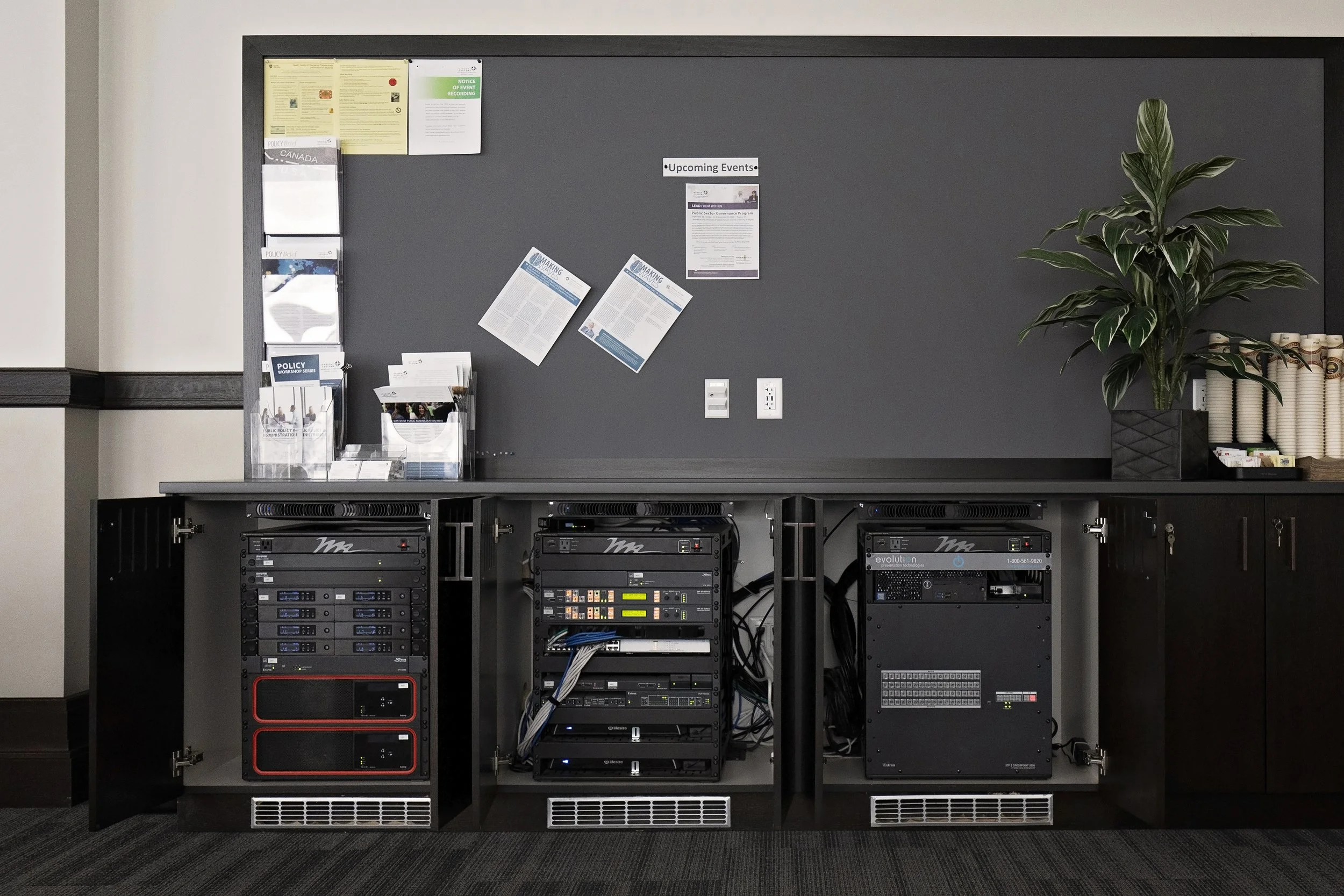
Commercial AV systems have changed significantly over the last decade. Speakers deliver clearer audio, microphones do a better job of capturing voices, cameras can automatically track presenters, and meeting spaces have become smarter than ever.
The technology that connects all these devices together has evolved just as much.
Over the last several years, AV-over-IP has become increasingly common in meeting spaces, campuses, and large commercial facilities. As it continues to grow, another term has started appearing alongside it: IPMX. While it may sound complicated, IPMX is a new open standard that makes AV-over-IP systems more flexible and easier to integrate.
What is AV-over-IP?
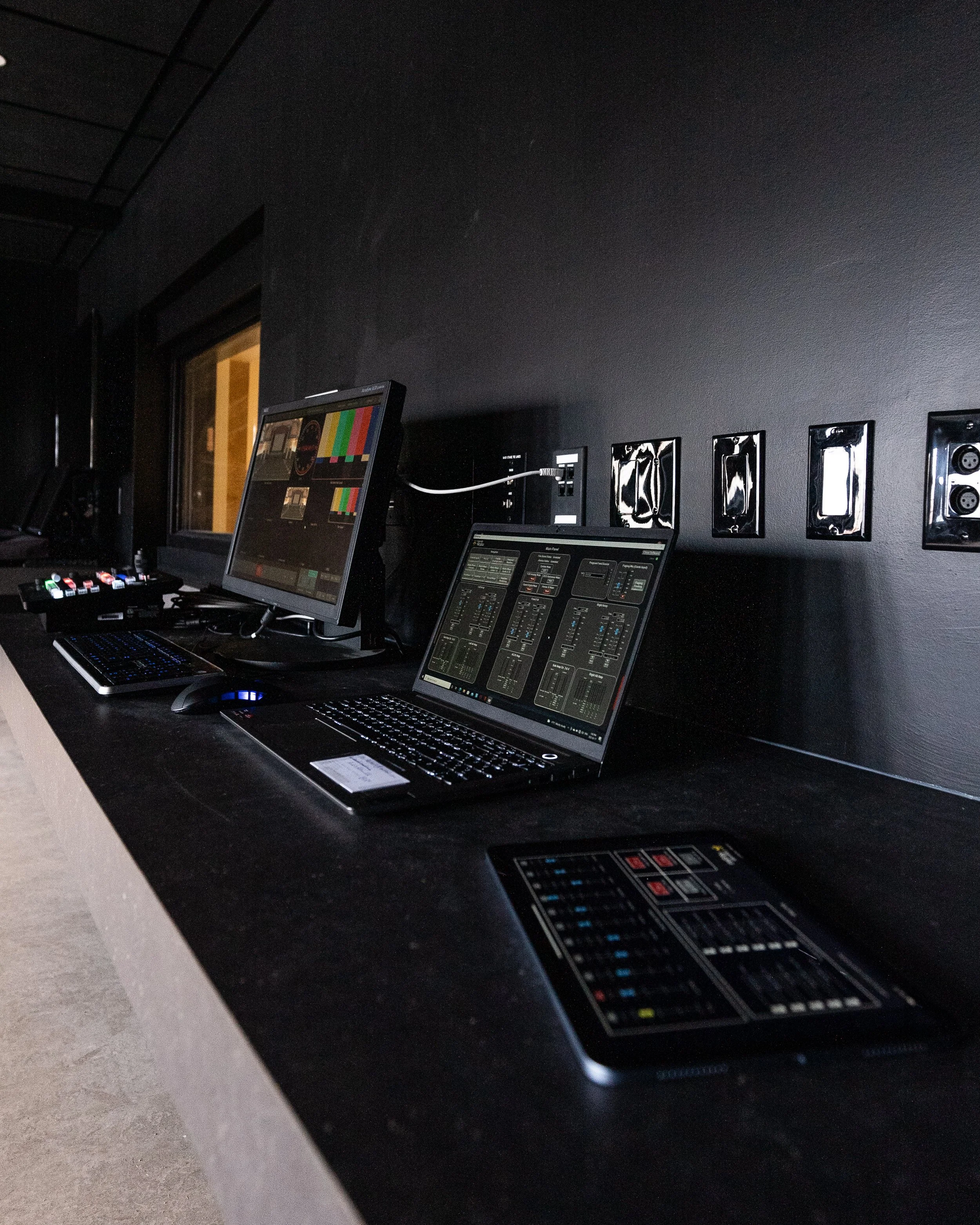
Traditional AV systems connect displays, cameras, microphones, and speakers together using specific cables for each, like HDMI, SDI, or XLR. Instead of relying on dedicated cabling and hardware, AV systems now might use the organization's existing Ethernet network to transport audio, video, and control signals. This is known as AV-over-IP, pr Audio-Visual over Internet Protocol.
The network becomes the pathway for audio and video instead of separate AV infrastructure. This makes it easier to distribute content between rooms, expand systems over time, and support larger installations without running new cables every time something is added.
As AV-over-IP gained popularity, manufacturers introduced their own technologies for transporting signals over standard networks. Dante, for example, became the industry standard for networked audio, while other platforms made it possible to distribute high-quality video throughout buildings and campuses.
These technologies transformed commercial AV, but many were developed to work best within a single manufacturer's product line, making it more difficult to mix equipment from different brands. That's where IPMX comes in.
What is IPMX?
Many AV-over-IP solutions available today are designed to work primarily with products from a single manufacturer. While these systems perform well, expanding or upgrading them can sometimes limit equipment choices.
Internet Protocol Media Experience, or IPMX, is an open standard designed to solve that problem. It provides a common way for compatible AV products from different manufacturers to communicate across the same network, giving organizations more flexibility when designing or expanding their systems.
Instead of being tied to a single ecosystem, organizations can choose equipment based on the needs of the project rather than manufacturer compatibility. As more manufacturers adopt IPMX, upgrading or expanding an AV system becomes easier because compatible products can work together without needing to replace the entire system.
The Benefits of Network-Based AV
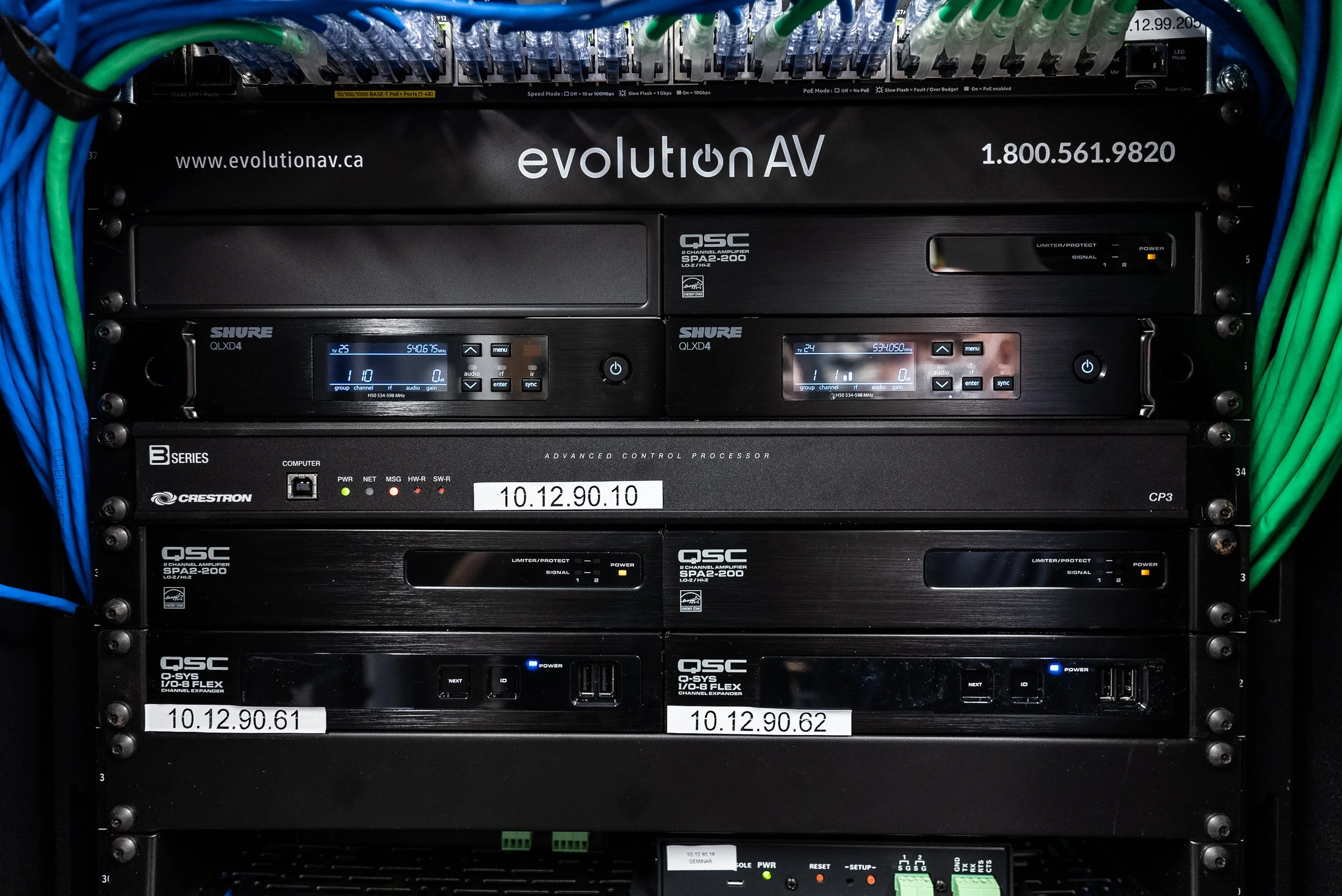
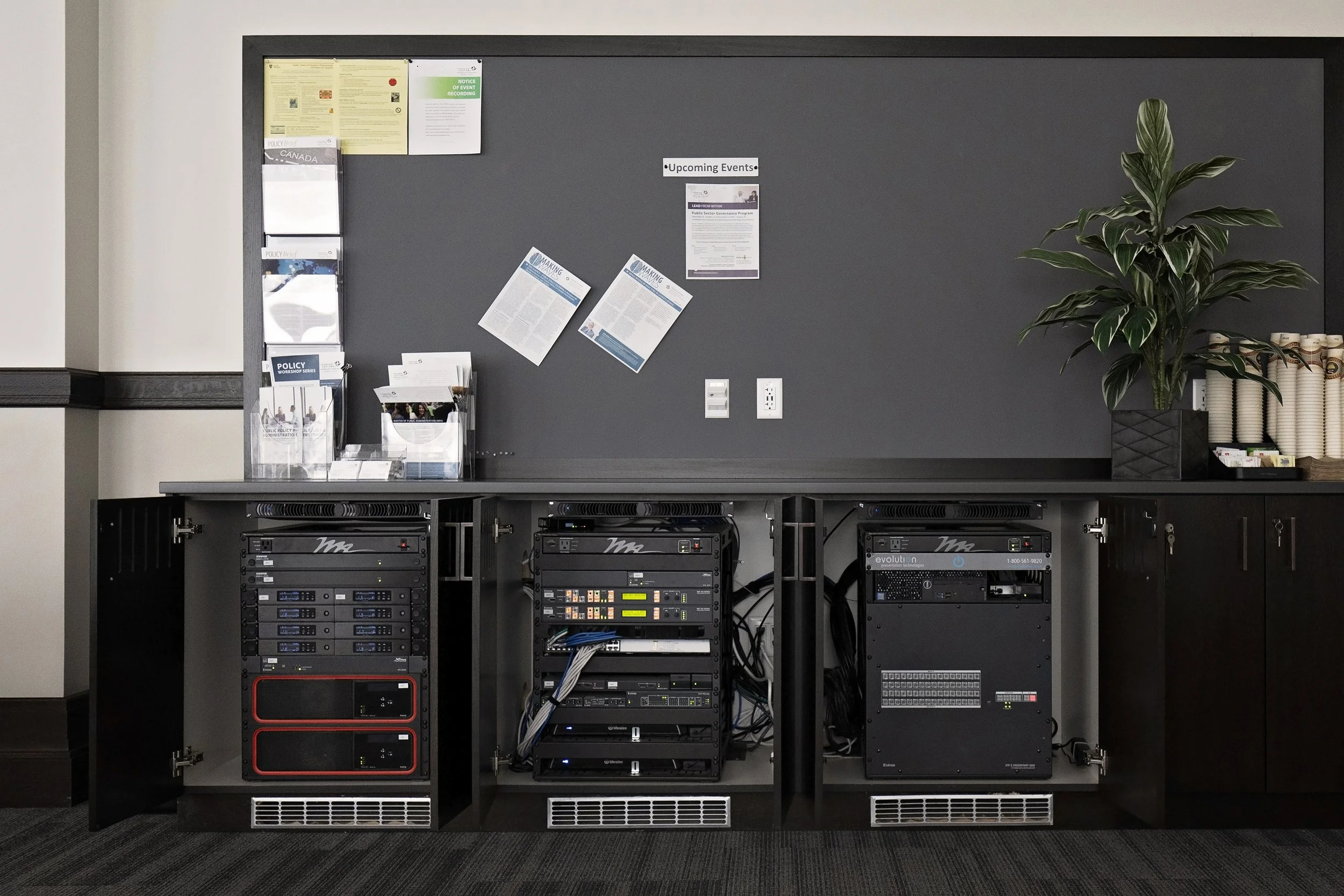
As AV systems become more connected, they also become part of an organization's IT infrastructure. Displays, cameras, digital signal processors (DSPs), and other AV devices now operate as network-connected devices rather than standalone equipment. Instead of being limited by physical cabling, audio and video can be routed anywhere on the network, making it easier to reconfigure spaces, add new rooms, or expand a system without starting from scratch.
It also means network design has a direct impact on AV performance. Factors like bandwidth, Quality of Service (QoS), network segmentation, and timing all help ensure AV signals are delivered consistently and reliably.
Is it the Right Solution?
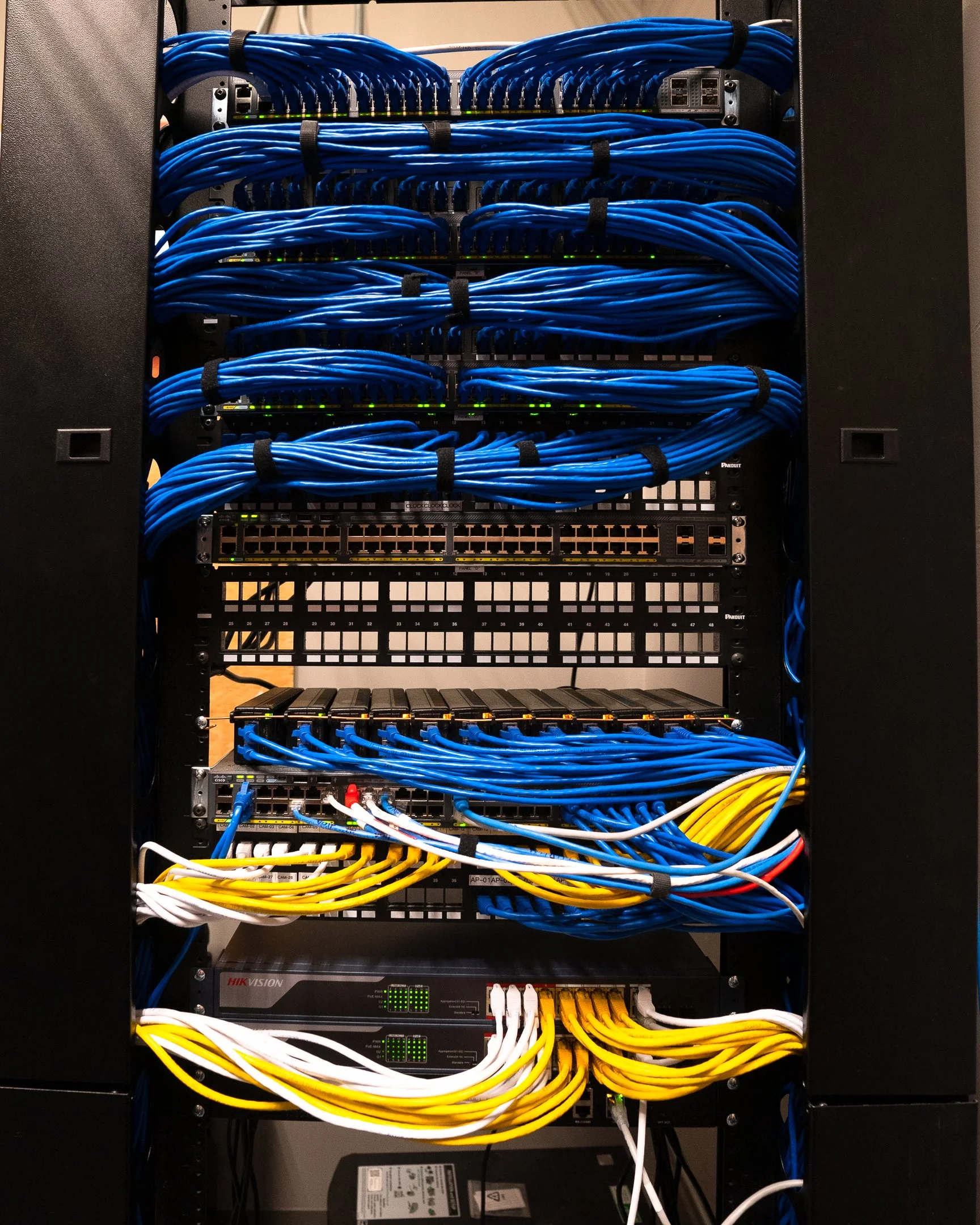
Not every project requires AV-over-IP or IPMX. A single meeting room with basic video conferencing equipment can be easily installed with a traditional AV system.
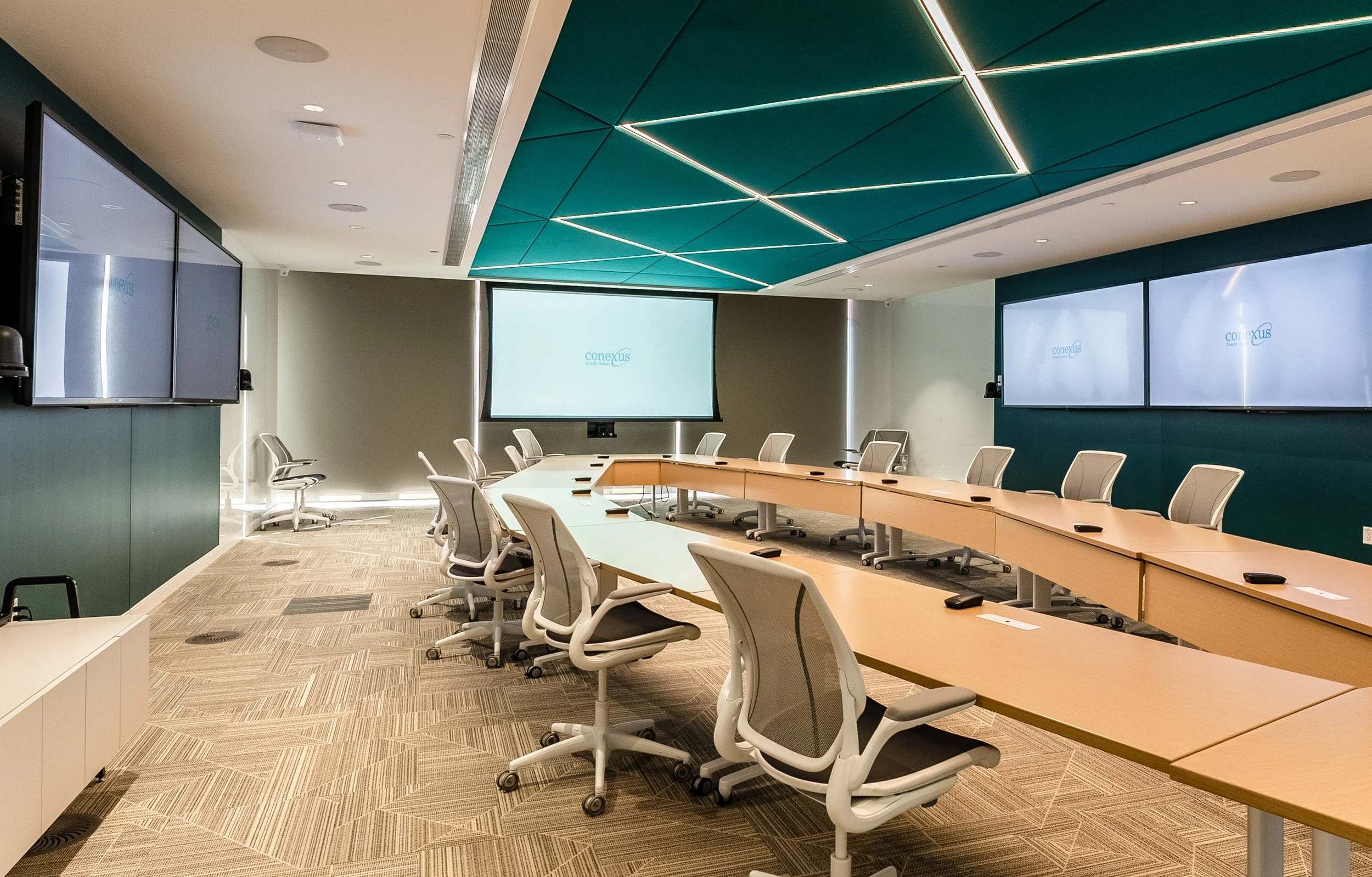
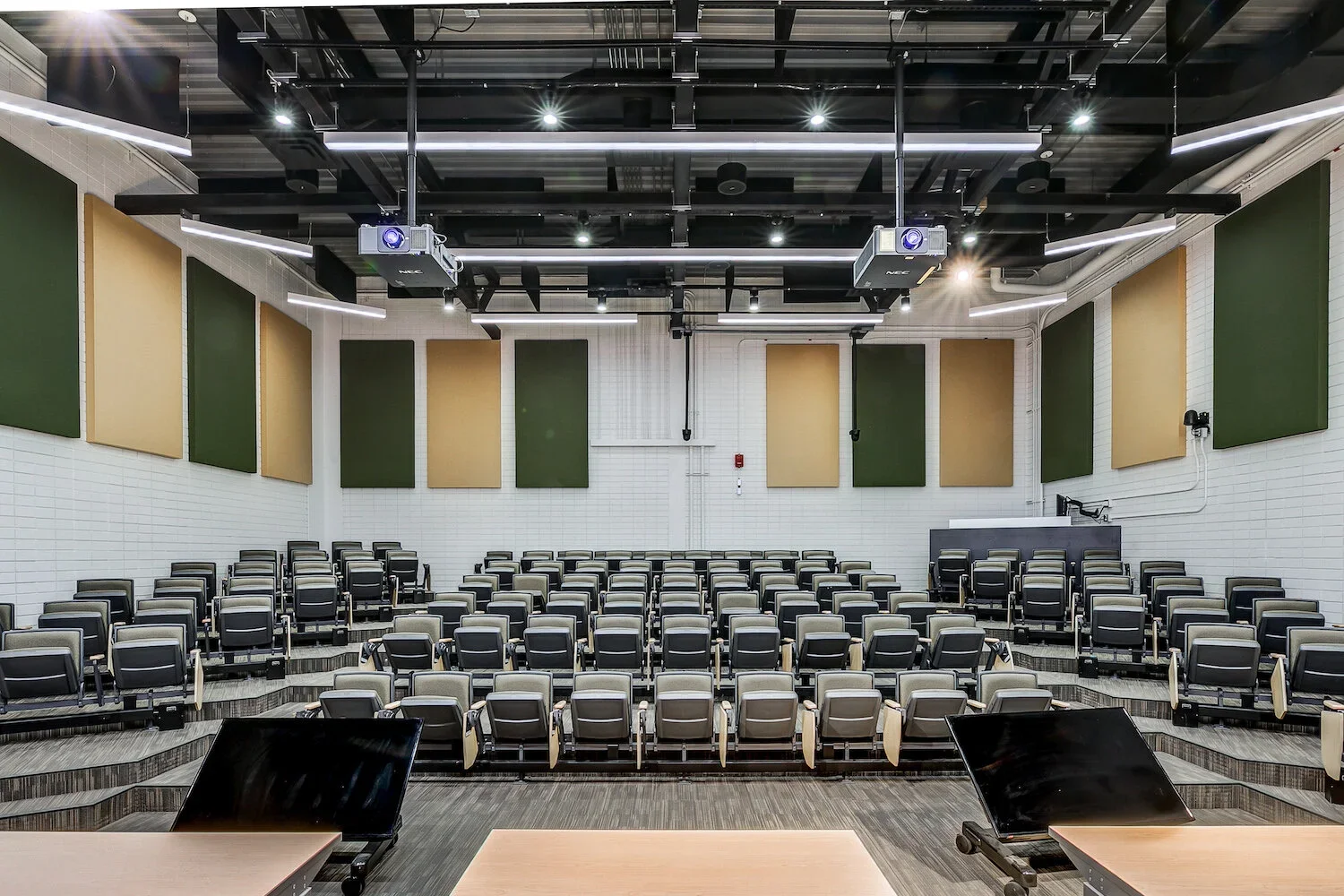
However, AV-over-IP can be very useful in larger environments where flexibility and scalability are a must. Corporate offices, school campuses, healthcare facilities, large boardrooms, and auditoriums can all benefit from the ability to route audio and video across the network, making it easier to expand in the future.
The commercial AV industry continues to move toward open, network-based systems, and IPMX plays an important part. While it isn't the right solution for every project, it represents a more flexible approach to designing AV systems that can adapt as technology changes.
Understanding what AV-over-IP and IPMX does within an AV system and how it differs from traditional integration can help make ensure your space does exactly what you need it to. Whether planning a new meeting room, upgrading an existing one, or preparing for a total overhaul, our team can help determine whether a traditional AV solution or an AV-over-IP approach is the best fit now and in the future.






Frequently Asked Questions About AV-over-IP and IPMX
-
AV-over-IP is a method of transmitting audio, video, and control signals over a standard Ethernet network instead of using dedicated AV cabling. This allows AV systems to be more flexible, scalable, and easier to expand as an organization’s needs change.
-
AV-over-IP is the overall approach of using a network to transport AV signals, while IPMX is an open standard that helps different AV devices communicate using that approach. IPMX is designed to improve compatibility between products from different manufacturers and provide more flexibility when designing or expanding an AV system.
-
Not always. The best solution depends on the size, complexity, and future needs of the space. Traditional AV systems can still be the right choice for smaller meeting rooms, while AV-over-IP is often better suited for larger environments that require scalability, flexibility, and the ability to distribute content across multiple spaces.
-
AV-over-IP can make it easier to expand an AV system, route content between rooms, and manage multiple devices across a facility. Because signals travel over a network, organizations can often make changes without installing new dedicated AV cabling every time a space is updated.
-
AV-over-IP is most beneficial for larger or more complex AV environments, including corporate campuses, education facilities, healthcare spaces, auditoriums, and multi-room installations. It is also worth considering when an organization is already planning a network upgrade or facility renovation.