
How to Choose the Right AV Equipment for Your Hybrid Meeting Rooms
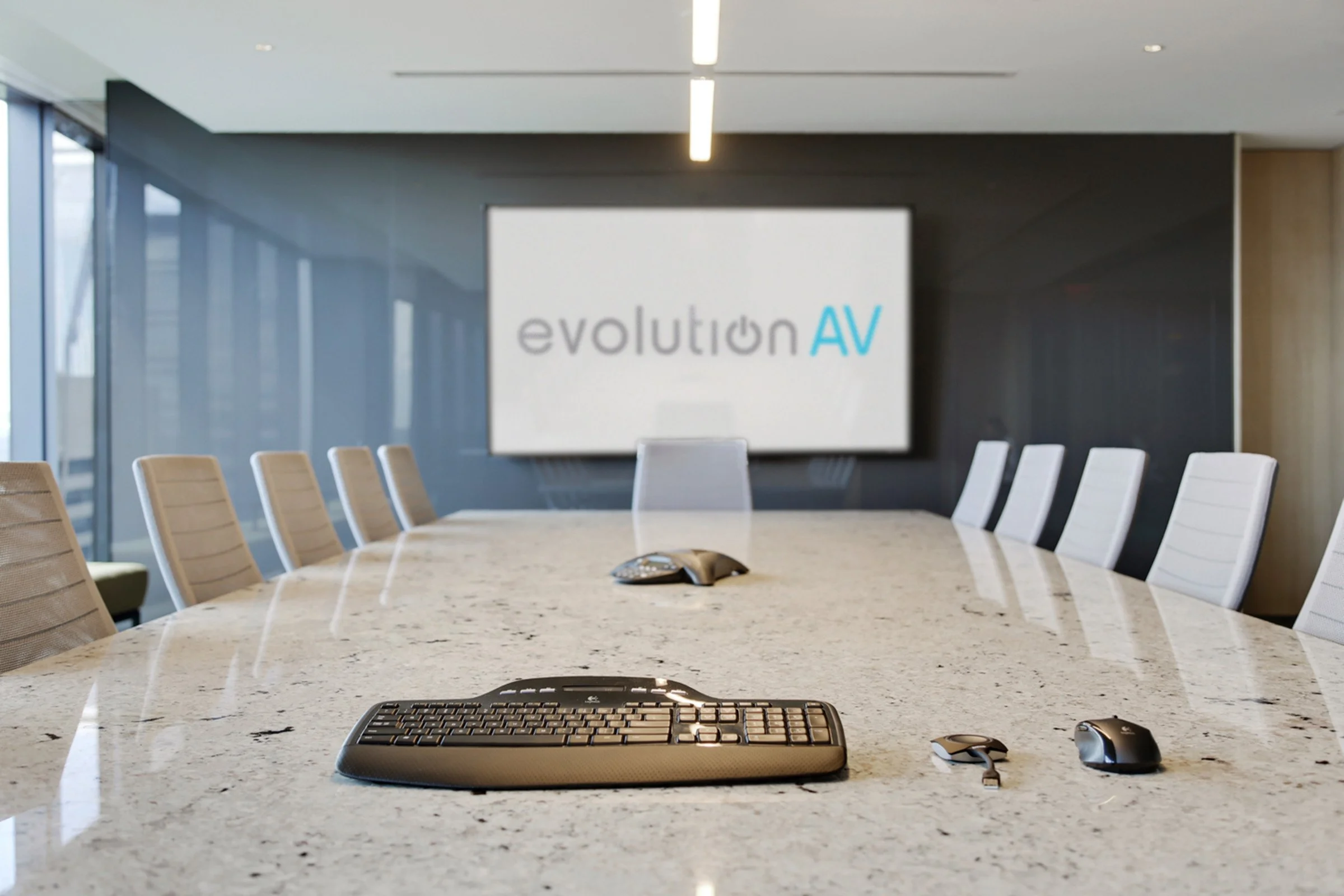
Most meetings today include a mix of in-room and remote participants, which makes the hybrid meeting room one of the most important spaces in any office. Whether employees are joining from another office or from home, the AV equipment in the room plays a major role in how productive those meetings are.
With so many cameras, microphones, displays, and meeting platforms available, the real challenge is making the right choice. A successful hybrid meeting room setup isn’t about buying the newest, biggest, most expensive technology on the market. Choosing equipment that fits the room and the way people communicate is what matters most.
What Makes Up a Hybrid Meeting Room Video Conferencing System?
A video conferencing system is more than a camera and a display. There are several components that all work together to create a seamless meeting experience.
Video
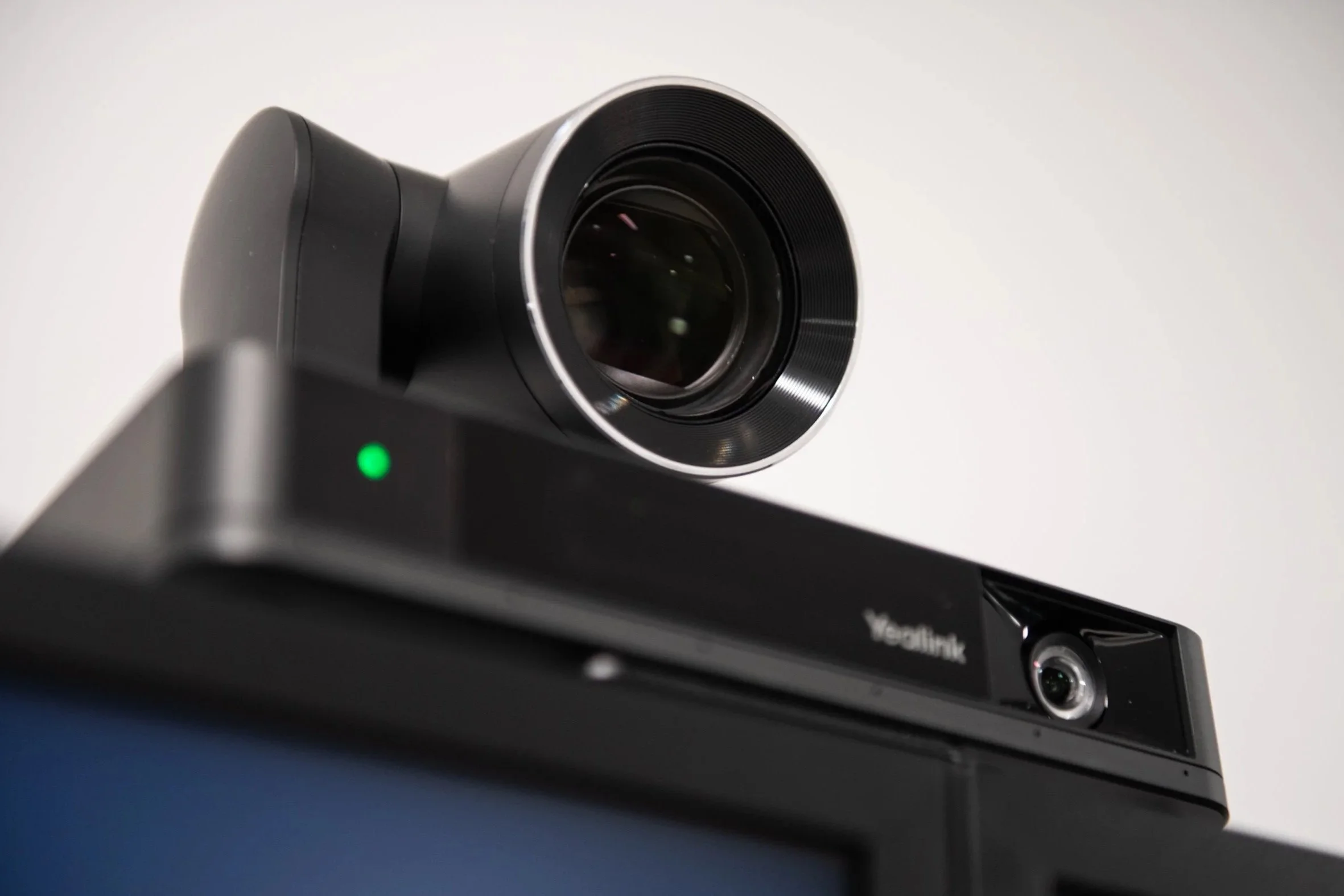
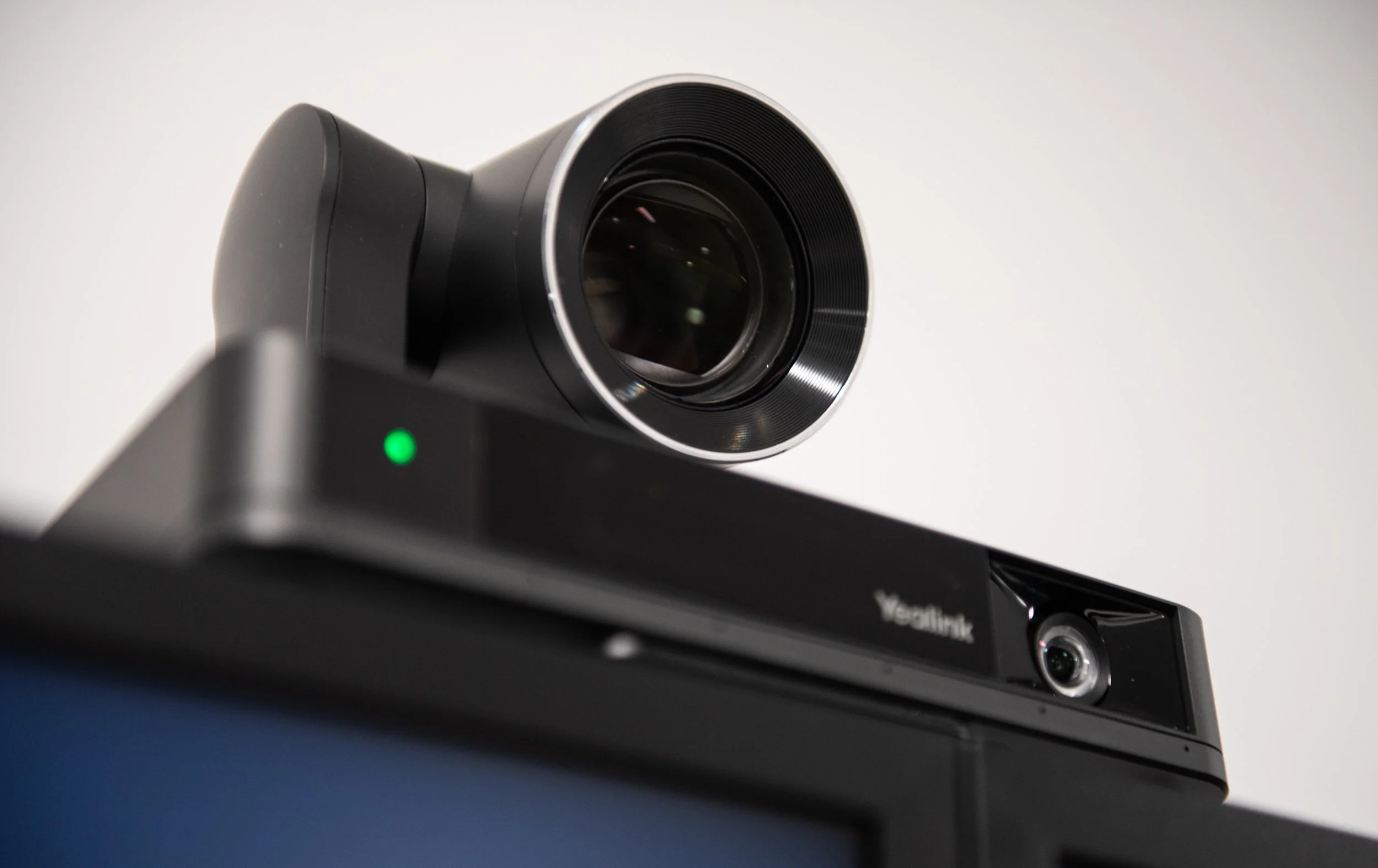
Whether it’s a single camera at the front of the room or multiple devices installed throughout the space, the camera system determines how well participants can see and engage with one another. Features like auto-framing, speaker tracking, and intelligent zoom help ensure everyone stays visible and engaged throughout the meeting.
Audio
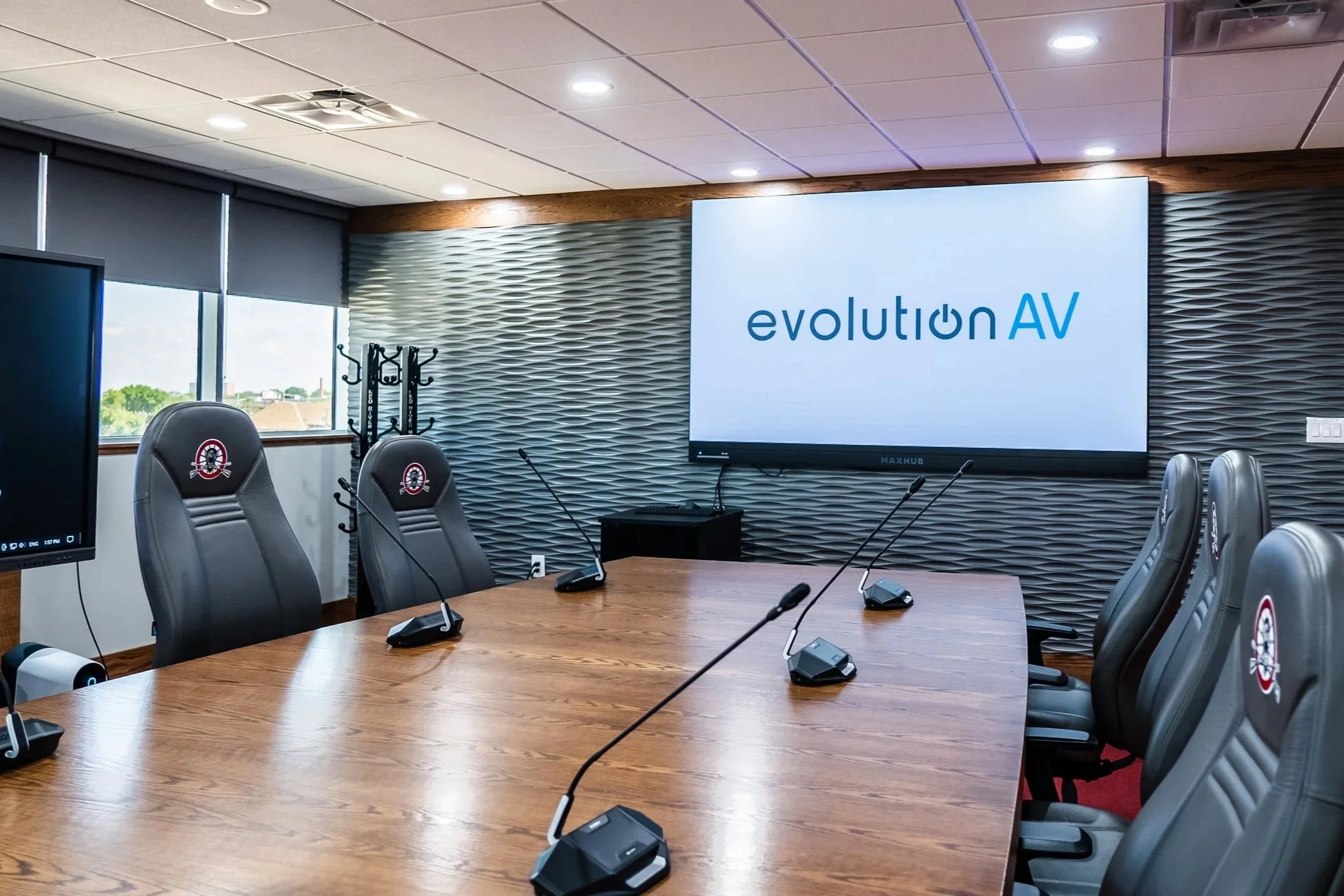
High-quality audio is one of the most important parts of an AV system. Microphones need to capture voices clearly and speakers must provide consistent coverage. While acoustic treatments help to minimize background noise and echo, choosing the right technology for the space is crucial.
Displays
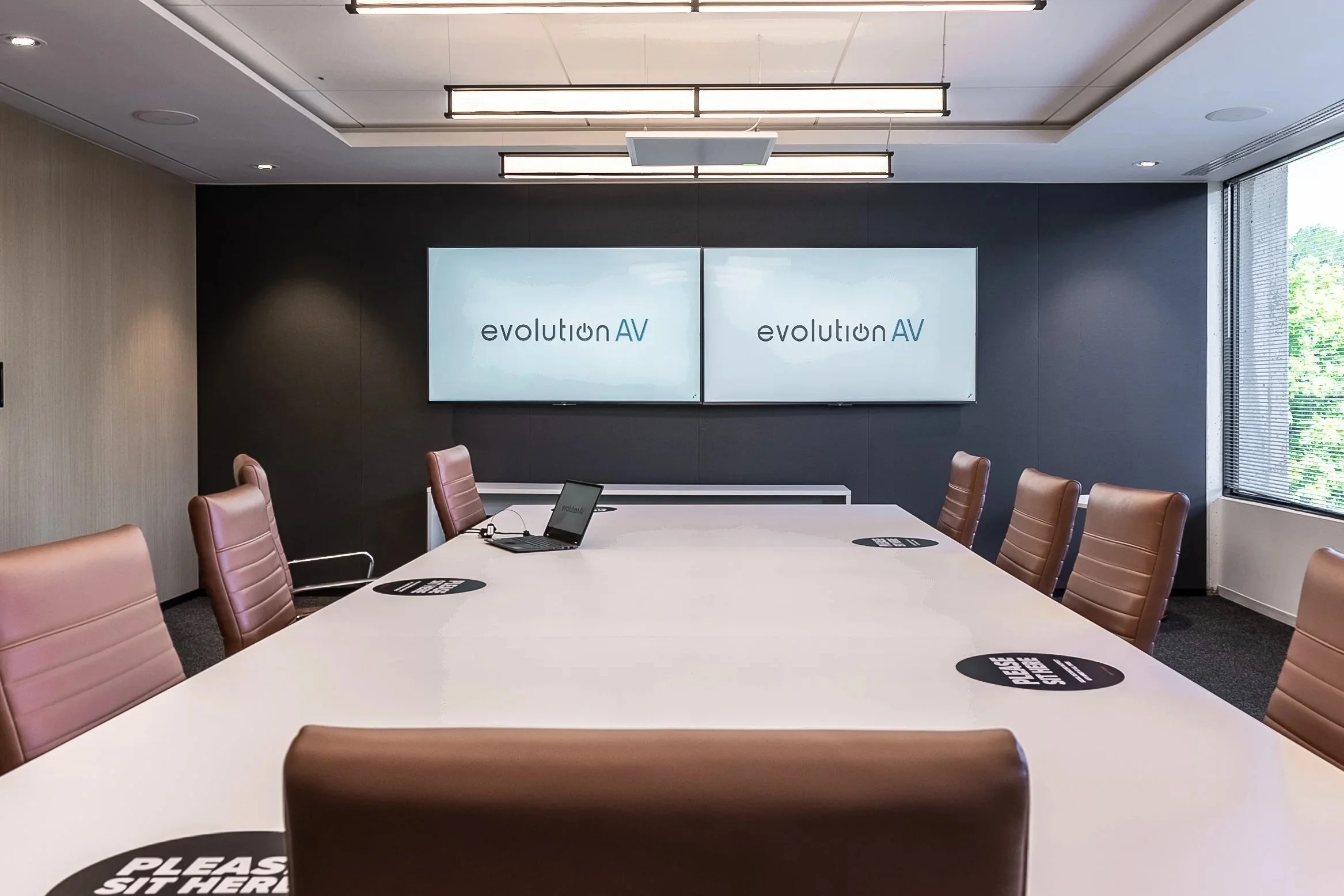
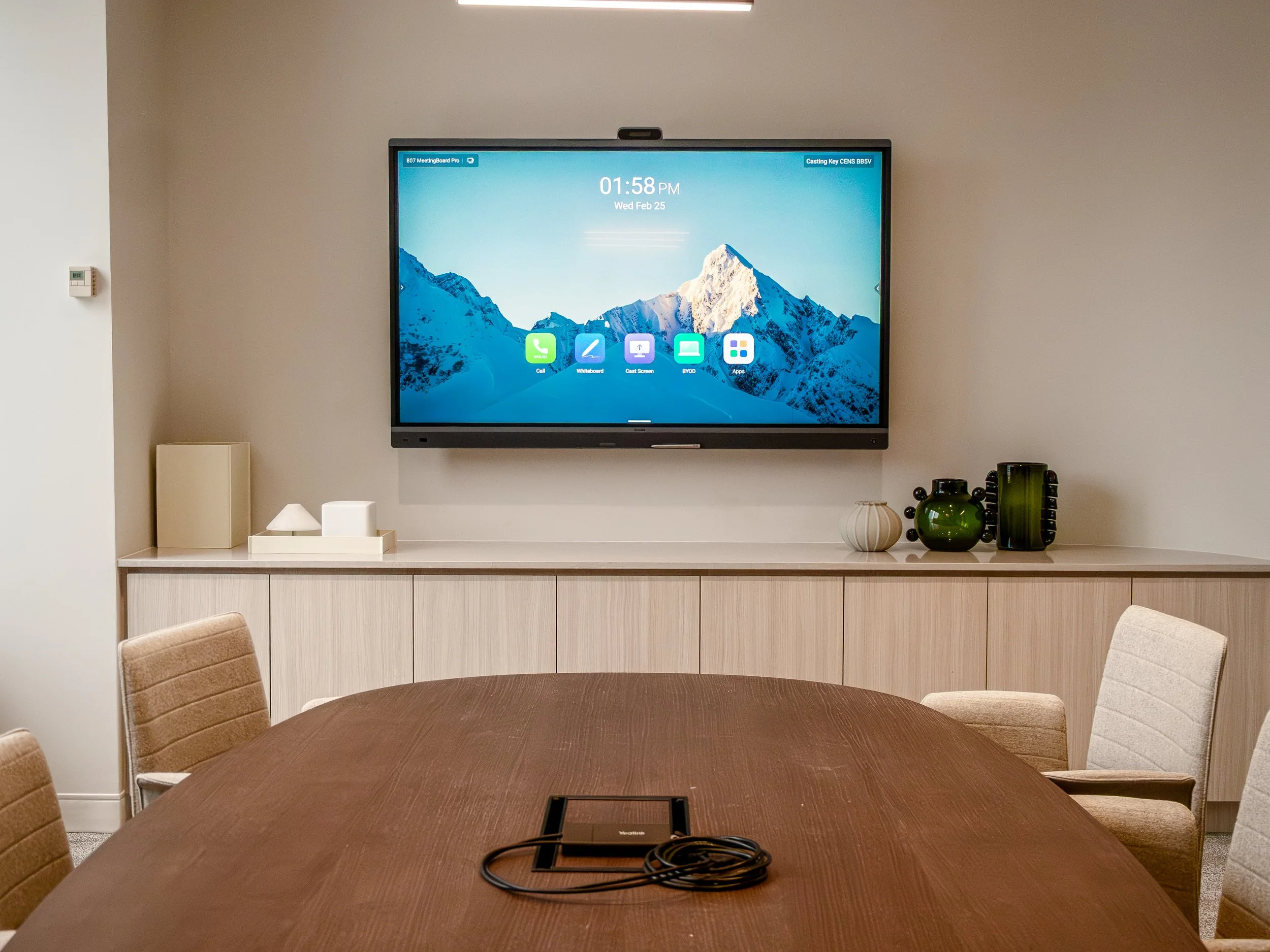
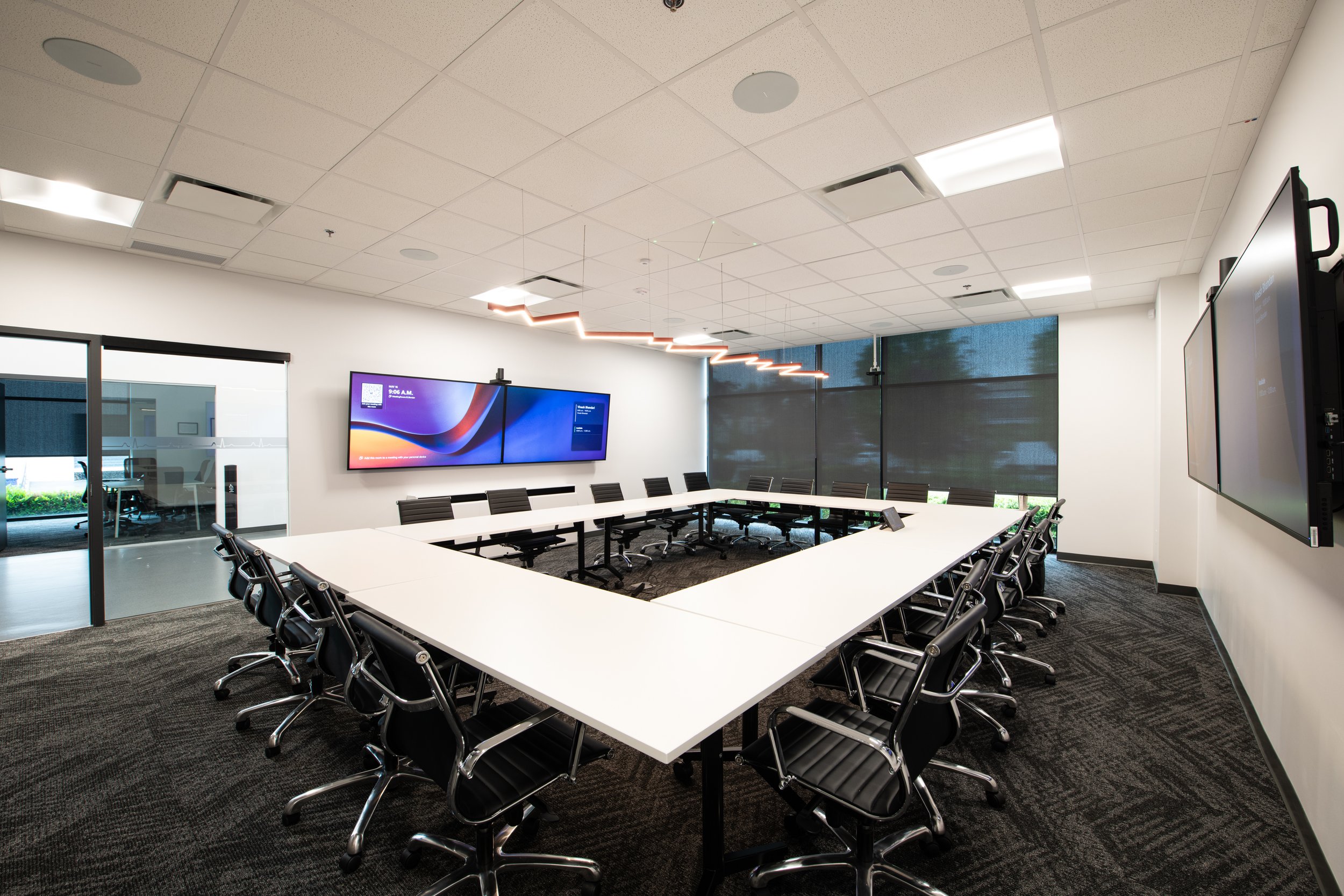
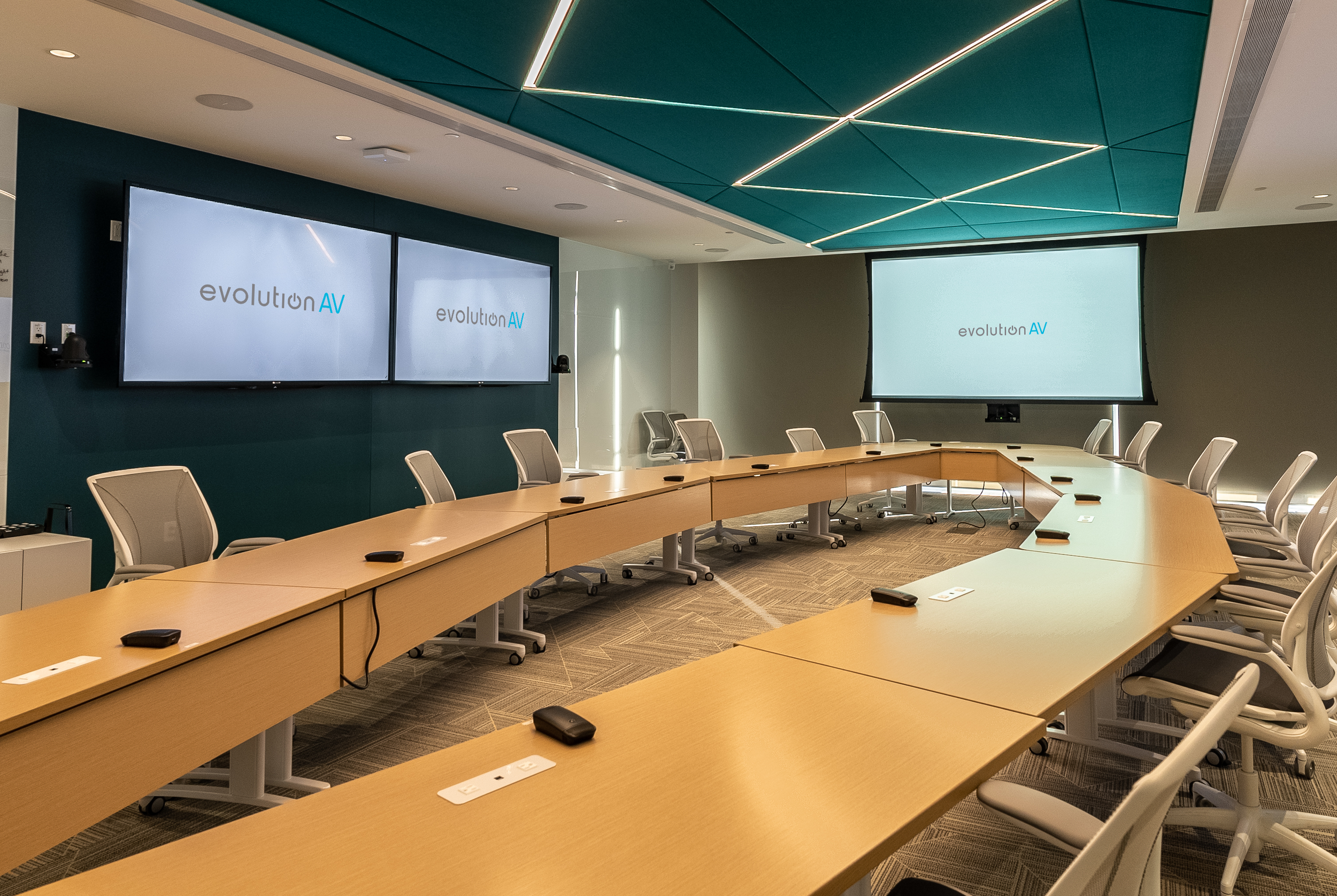
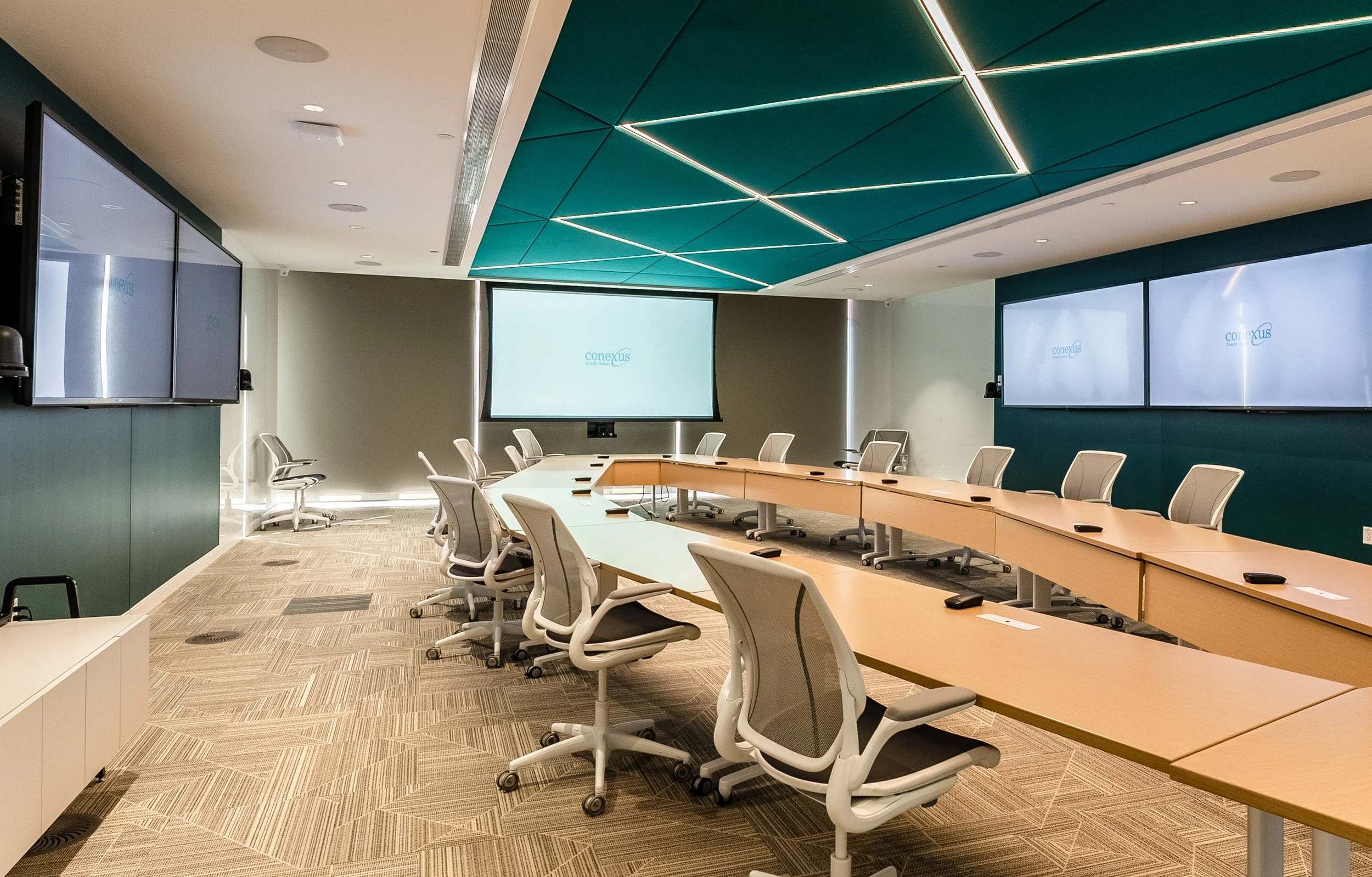
Bigger isn’t always better when it comes to displays. The number of participants, room sightlines, and available wall space all need to be considered. Selecting the right size, and sometimes the number, of displays helps ensure everyone in the room can clearly see and understand information being presented.
Platform Integration
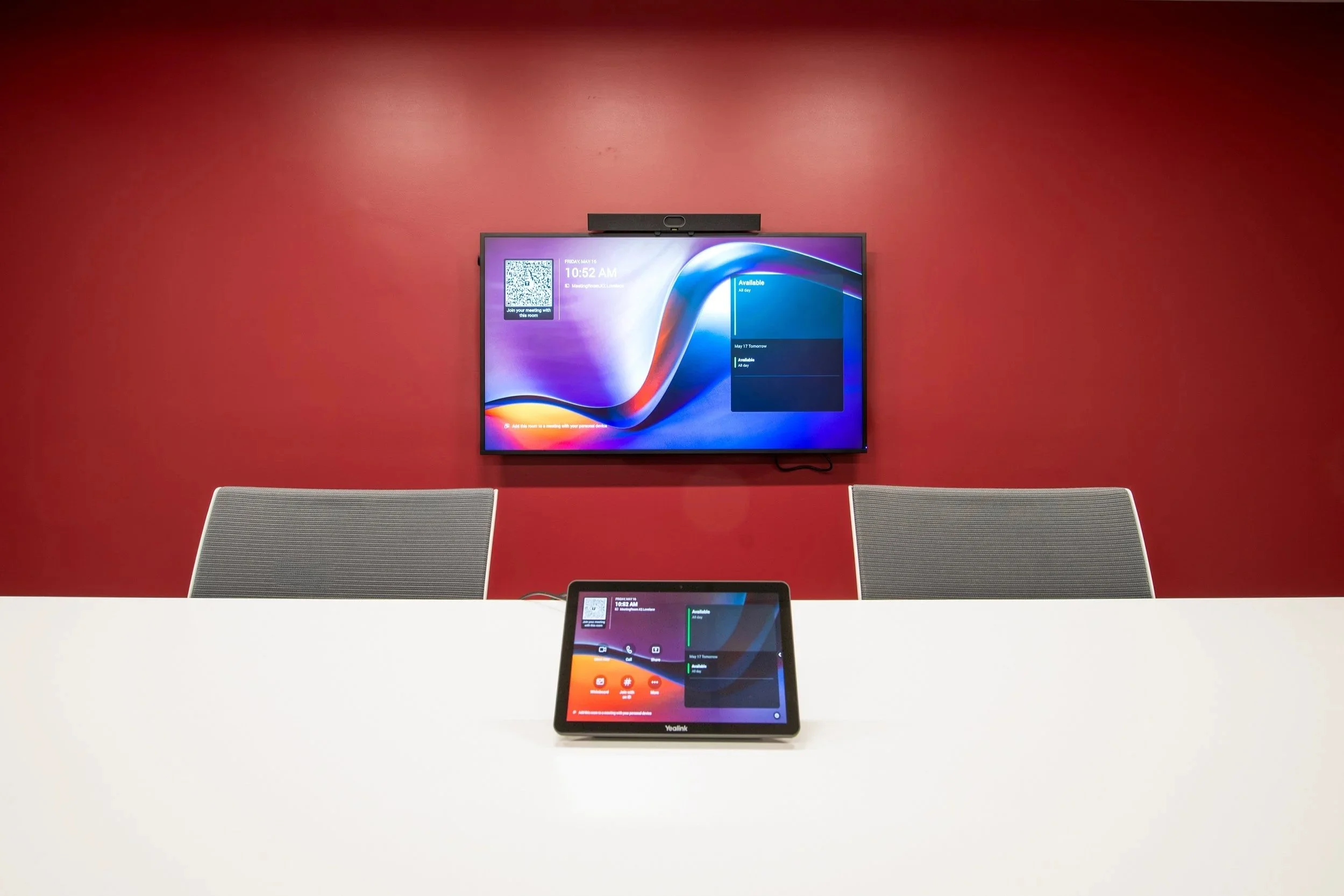
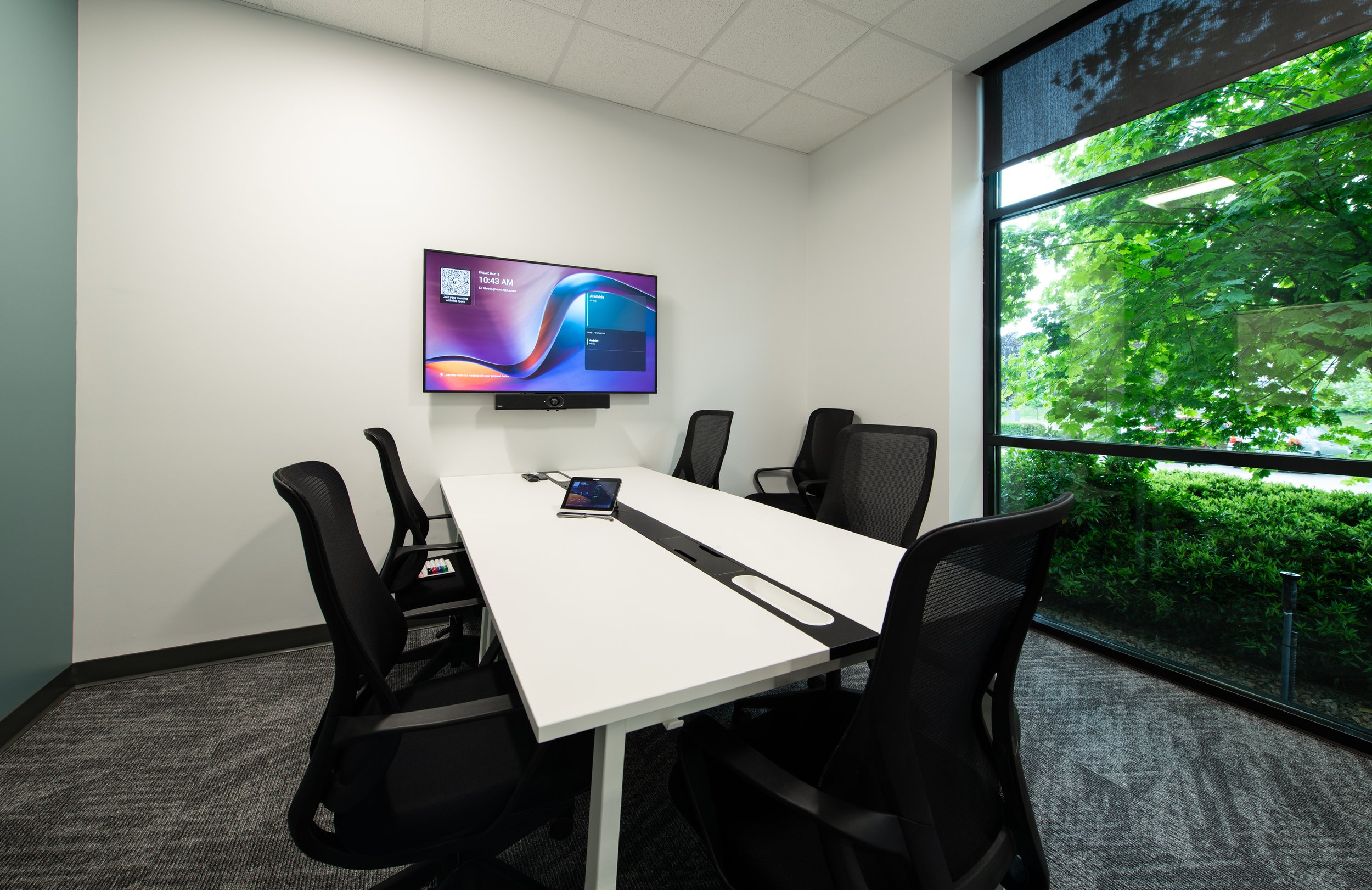
Whether Microsoft Teams, Zoom, Google Meet, or Webex is used as the primary program, it should integrate seamlessly into the room’s conferencing system. Simple meeting controls and one-touch join functions can significantly improve the experience of those using the room.
Key Factors to Consider
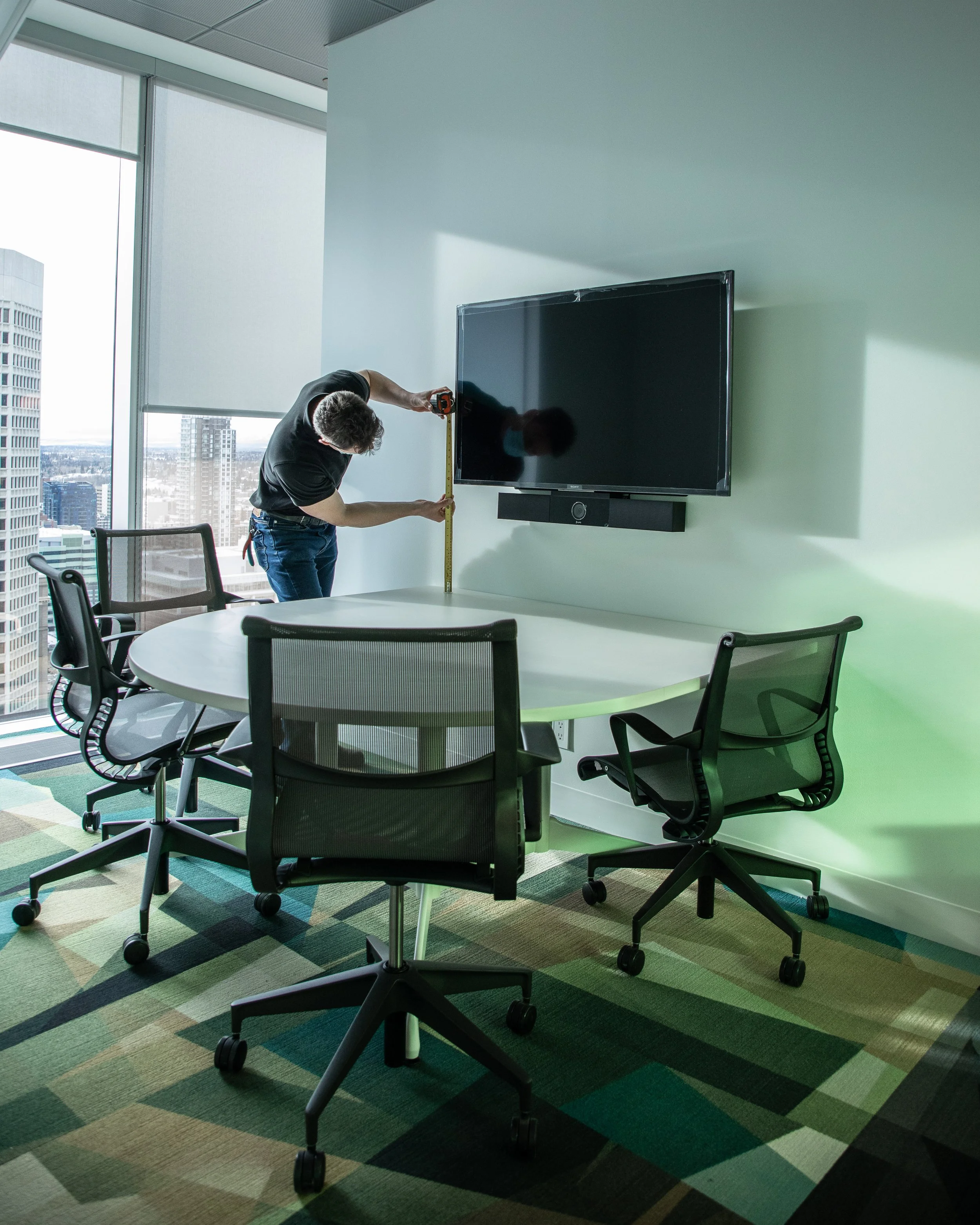
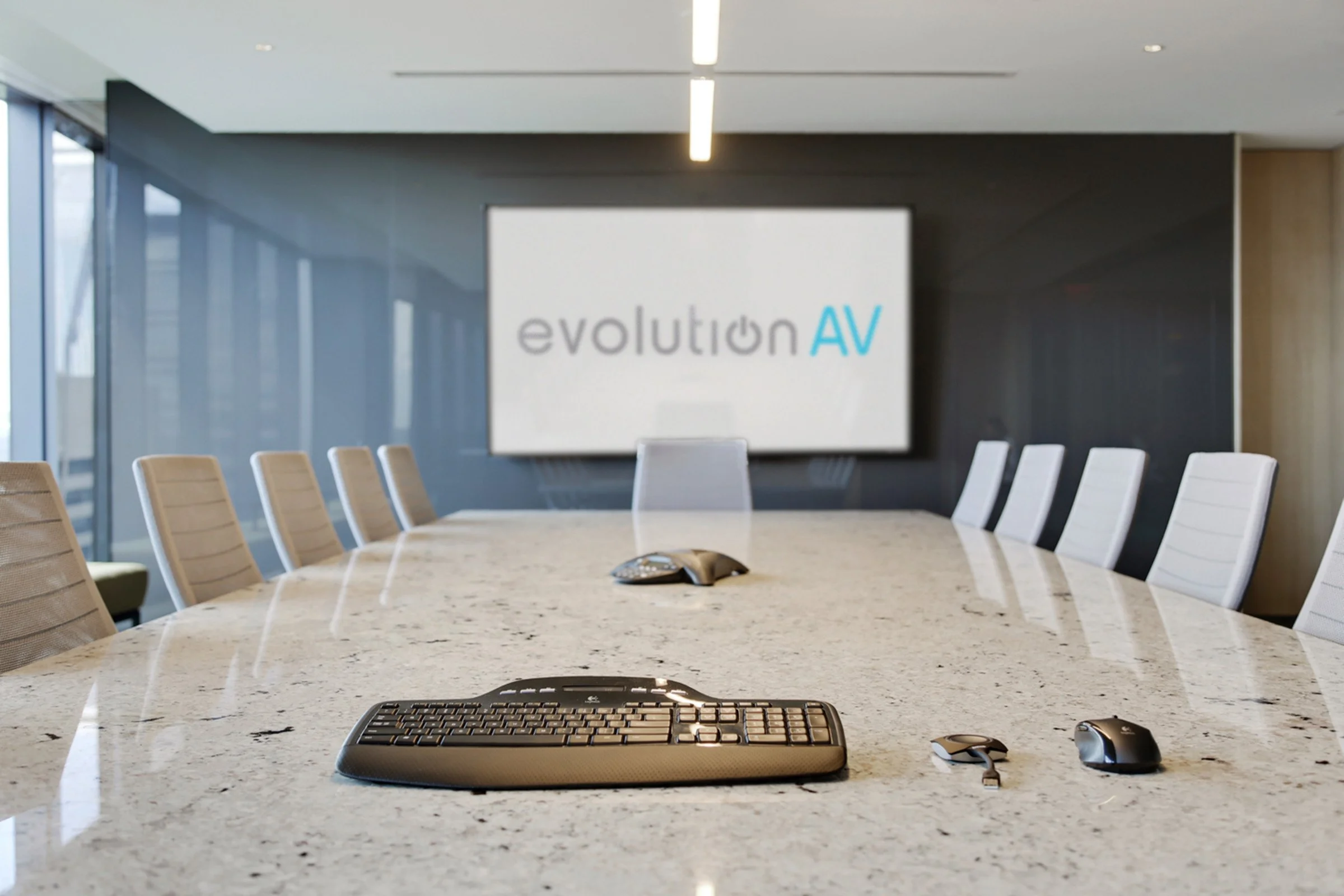
A four-person huddle room and a large boardroom have completely different AV requirements, which is why there is no one-size-fits-all solution. There are several factors to keep in mind when choosing AV equipment for a hybrid meeting room, whether you’re installing a new system or upgrading an existing one.
Room Size and Layout
The room size and layout should always be one of the first considerations when choosing AV equipment. Sightline, microphone coverage, speaker placement, and display size all need to be designed around the physical space.
Audio Performance
Poor audio is one of the biggest frustrations in meetings. Inconsistent and crackling microphones, distorted audio, inadequate speaker coverage, and excessive room echo can make hybrid meetings difficult and distracting. Improving audio quality can have a significant impact on the productivity and overall effectiveness of meetings.
Ease of Use
If users need technical support to start a meeting, the system is either too complicated or outdated. Simple, intuitive controls, easy content sharing, and meeting room consistency can help meetings start on time and reduce the strain on IT support.
Scalability
Choosing scalable technology is an important part of long-term planning. As teams grow and evolve, AV systems should evolve alongside them without sacrificing performance. Technology that can be expanded, upgraded, or adapted over time helps protect the investment and support future growth.
Designing for a Better Meeting Experience
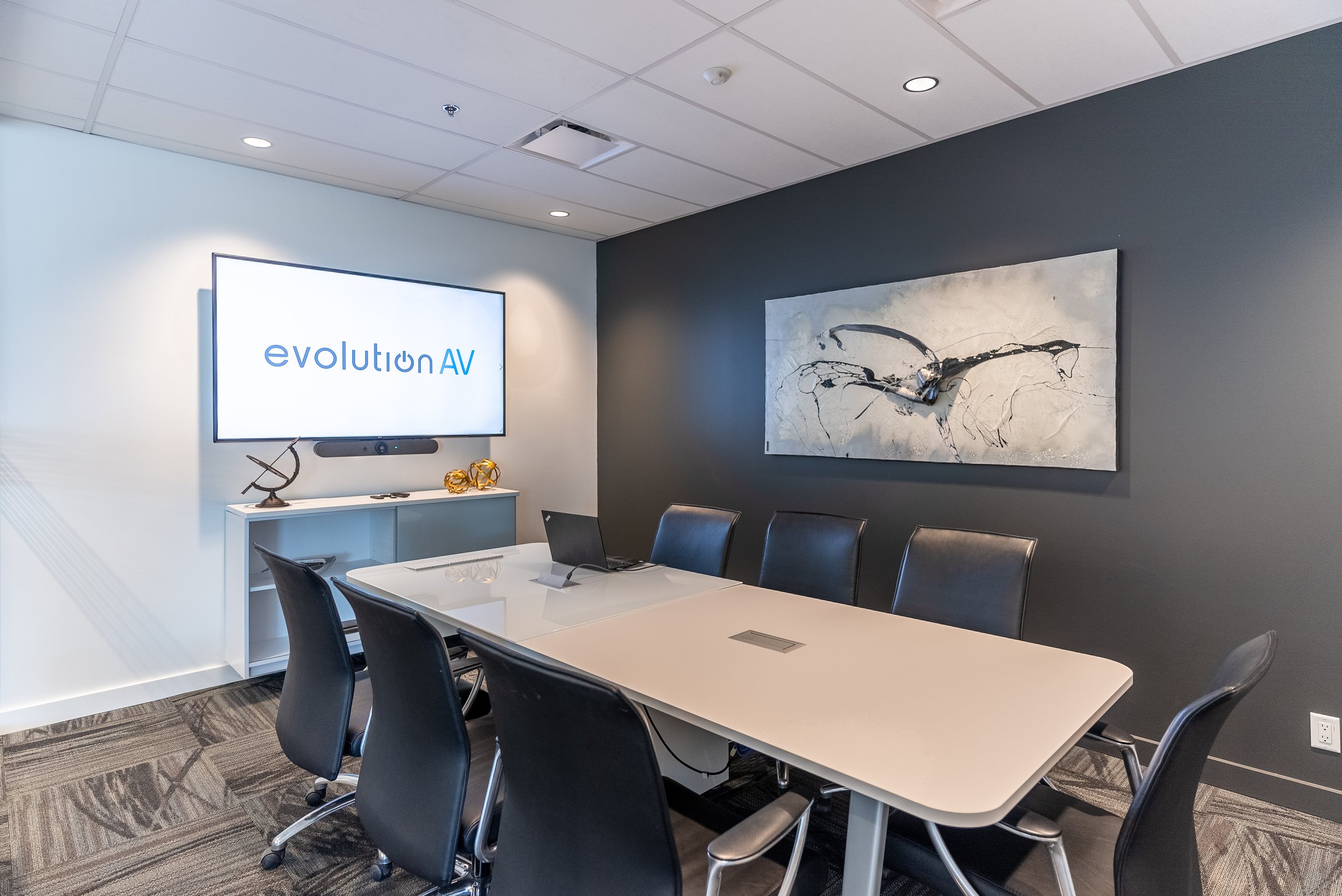
The most effective meeting spaces are designed as complete solutions rather than a collection of individual devices.
When planning a new system or upgrading an existing room, consider:
Camera placement and sightlines
Microphone coverage
Speaker placement
Display size and viewing distance
Room acoustics and ambient lighting
Network performance and bandwidth requirements
Even the best equipment can underperform if the room itself isn't properly designed.
The Future of Hybrid Meetings
With leading platforms like Microsoft Teams and Zoom continuing to expand their AI meeting features, high-quality meeting room technology is becoming increasingly important. These tools need clear audio to accurately capture conversations and generate reliable transcriptions, meeting summaries, and action items.
AI is being integrated into more aspects of boardroom AV with AI-powered camera tracking, intelligent framing, noise suppression, advanced room analytics, automated control and more. These technologies help create a more balanced experience by allowing participants to focus entirely on the meeting.
As hybrid work continues to evolve, meeting spaces should provide an equal experience for all, ensuring remote participants can see, hear, and contribute as though they were physically in the room.
Getting it Right
The right AV technology can make a huge difference in how teams communicate and collaborate. But choosing the right solution starts with understanding the room, the people using it, and the goals you're trying to achieve.
Every space is different, and selecting the right technology can be challenging. Whether it’s a single meeting room update or a companywide overhaul, connecting with an AV expert to design the system properly will help ensure a better experience for everyone involved.
If you're considering hybrid meeting room upgrade, our team can help you evaluate your space, identify potential challenges, and recommend solutions that fit your needs both now and in the future.




Frequently Asked Questions
-
Most video conferencing rooms require a camera, microphones, speakers, displays, and conferencing software such as Microsoft Teams, Zoom, or Google Meet. The specific equipment needed depends on the size of the room, the number of participants, and how the space will be used.
-
The best AV equipment is determined by the room size, layout, user requirements, and conferencing platform. Factors such as camera coverage, audio performance, display size, ease of use, and scalability should all be considered when designing a meeting room solution.
-
Audio quality has a direct impact on communication and collaboration. Poor microphone pickup, background noise, room echo, and inadequate speaker coverage can make it difficult for participants to follow conversations. High-quality audio helps ensure everyone can hear and be heard clearly, regardless of location.
-
Important considerations include camera placement, microphone coverage, speaker placement, display size, room acoustics, lighting conditions, and network performance. A properly designed room helps ensure technology performs as intended and delivers a better meeting experience.
-
Yes. Many existing meeting rooms can be upgraded with modern cameras, microphones, displays, and conferencing platforms to better support hybrid collaboration. The right upgrades depend on the room's current technology and how the space is being used.
-
AI-powered features such as speaker tracking, intelligent framing, automatic transcription, meeting summaries, and action item generation are becoming common in modern conferencing platforms. These tools help improve meeting productivity and create a more engaging experience for both in-room and remote participants.