Ottawa’s 4-Day Office Mandate Starts July 6: Are Your Meeting Rooms Ready?
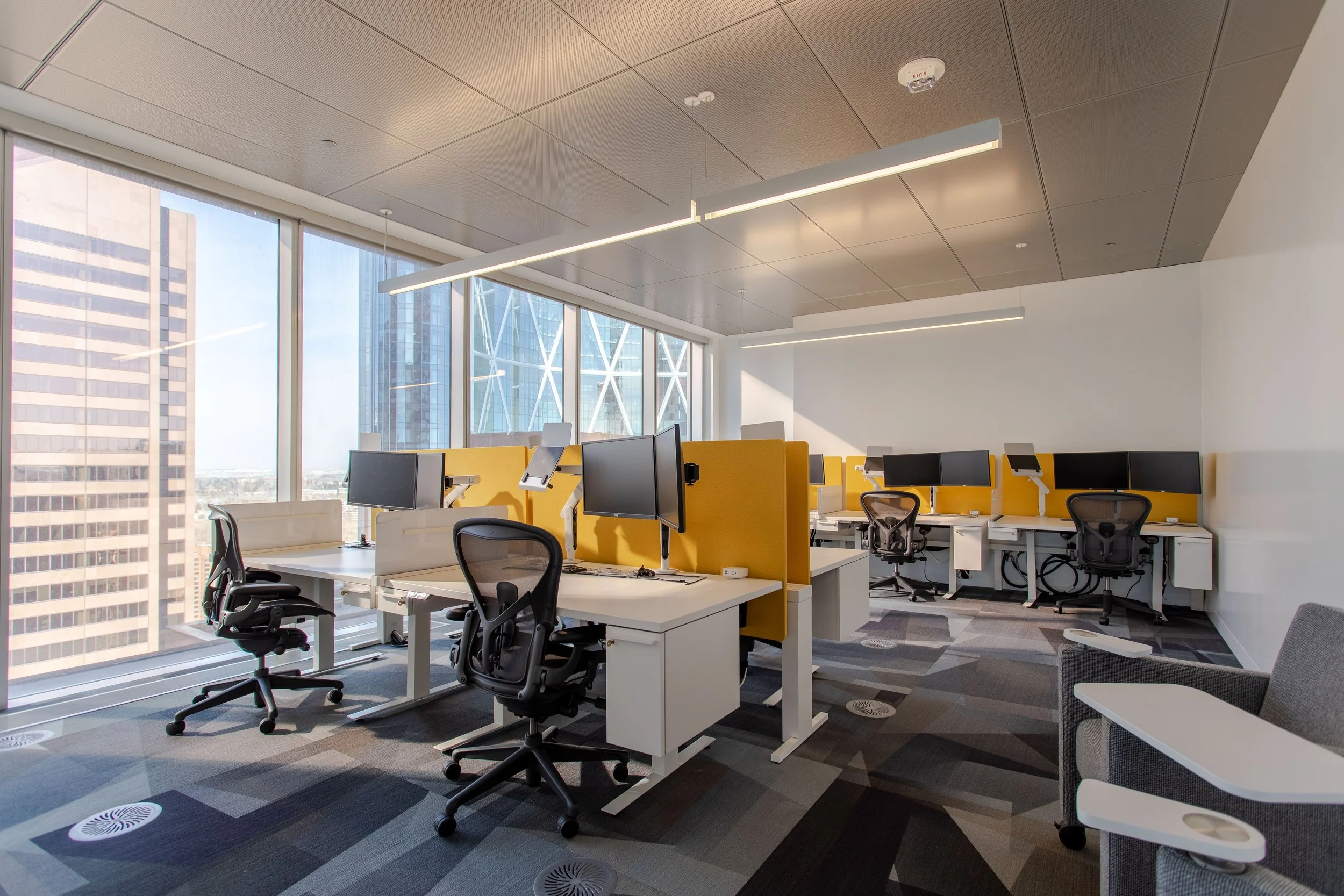
The Canadian federal government has announced that as of July 6, 2026, all federal employees who are eligible for hybrid work will be required to work onsite four days a week, and those in executive positions will be returning to the office full time. That’s a lot of staff suddenly back in the office.
While many government organizations are now looking at changing office layouts, designating desk spaces, or relocating all together to accommodate this influx of in-person employees, a key part of the workplace is being overlooked.
The challenge is not only fitting more people into the office, but ensuring all employees have access to the spaces and technology they need to work and collaborate.
Reliable workplace technology, like cameras, speakers, displays, microphones, and scheduling systems, play a major role in creating productive meeting experiences. The increased demand is likely going to put a lot of strain and pressure on these existing systems. As more employees return to the office, many departments will need to take a closer look at whether their spaces are equipped to handle the increase in day-to-day activity.
What the July 6 Mandate Actually Requires (And Why It Matters Beyond Government)
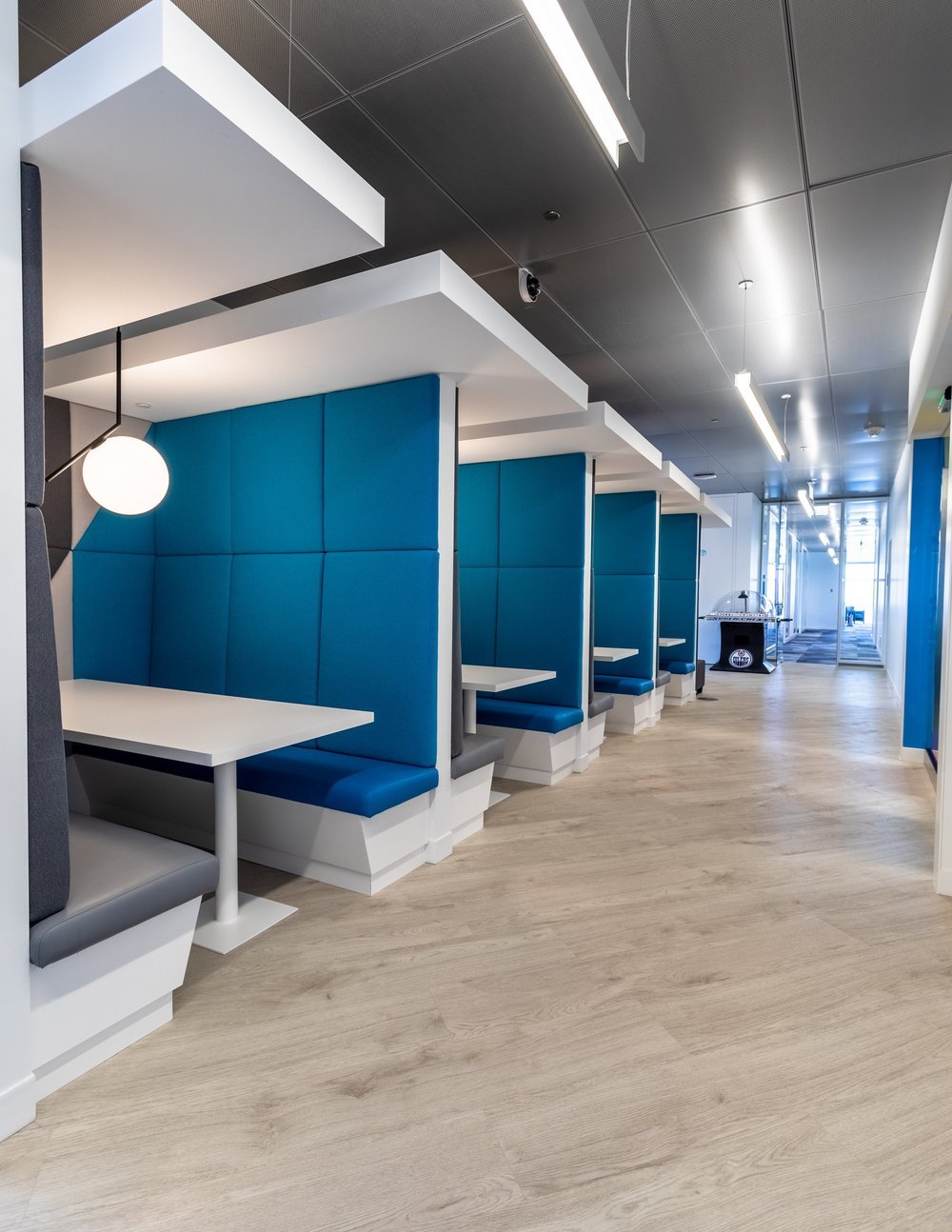
While the current policy only impacts federal employees, the effects of this mandate will be spread far beyond Ottawa. Large corporations, public institutions, and municipalities often follow workplace trends set by federal decisionmakers, and the Government of Canada is already strongly recommending that other employers in public service adopt a similar strategy.
This shift creates many of the same workplace challenges for companies across Canada. More employees in the office means greater competition for meeting rooms, increased demand for video conferencing spaces, and a growing reliance on room booking systems. Teams need spaces for both scheduled meetings and spontaneous collaboration, putting additional pressure on workplaces that were originally designed around lower occupancy levels.
Organizations will need to evaluate whether their workplaces are equipped to support the increased demand. It's not simply a matter of finding enough desks. Employees need access to meeting spaces, collaboration areas, and technology that allows them to work effectively throughout the day.
More People, Same Spaces
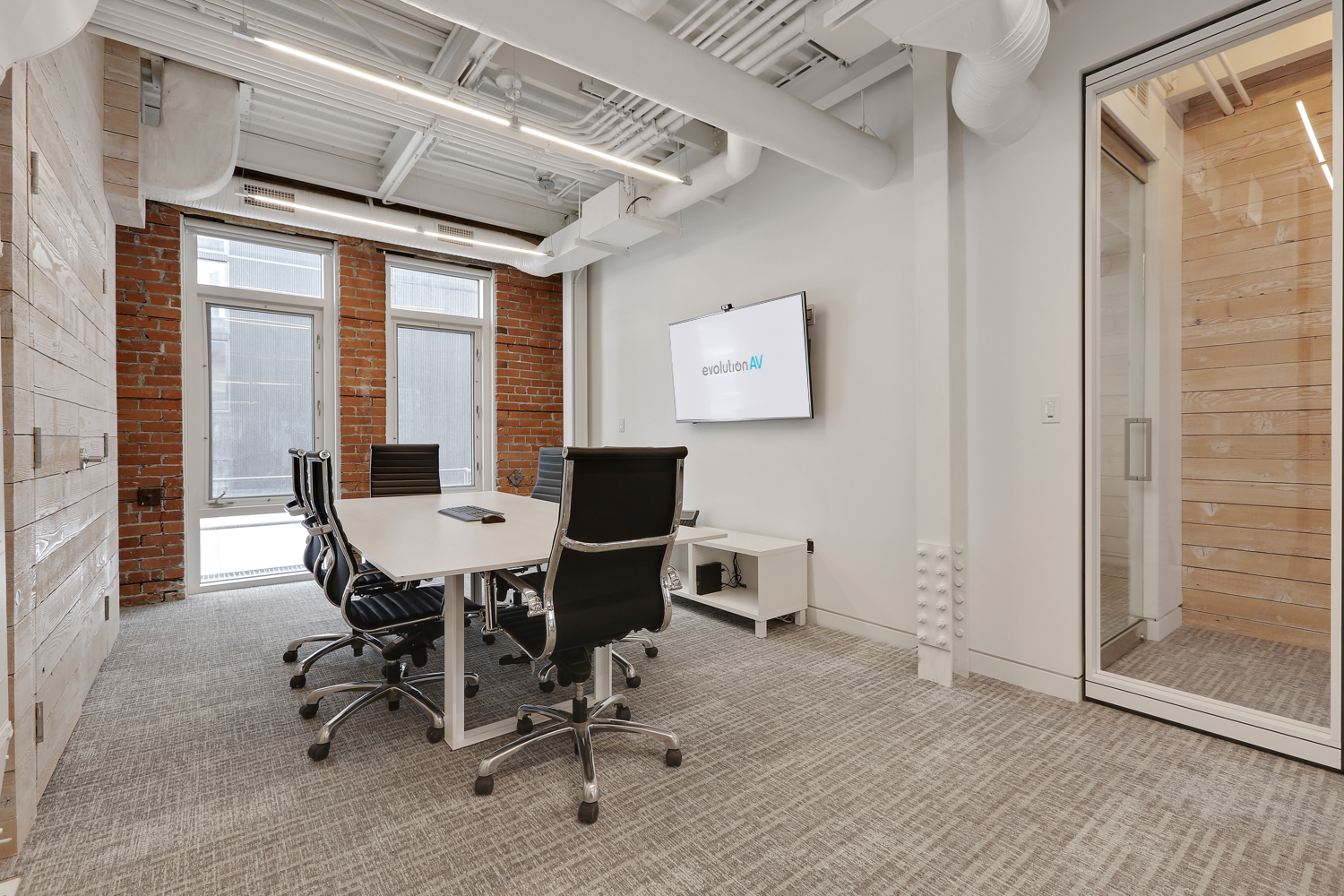
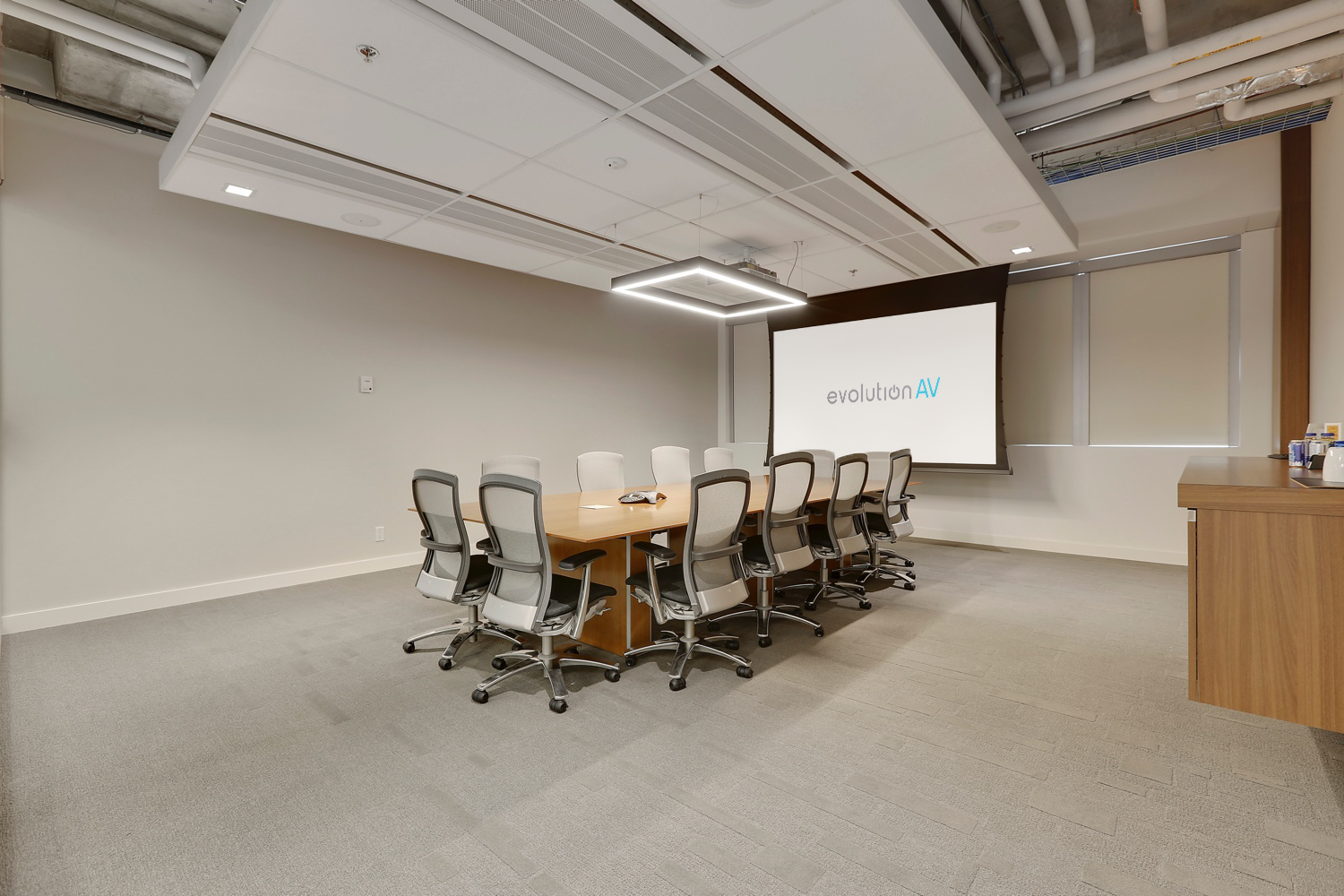
Many offices were redesigned around hybrid work over the past several years, but as occupancy increases, so does the demand for meeting spaces and the technology that supports them.
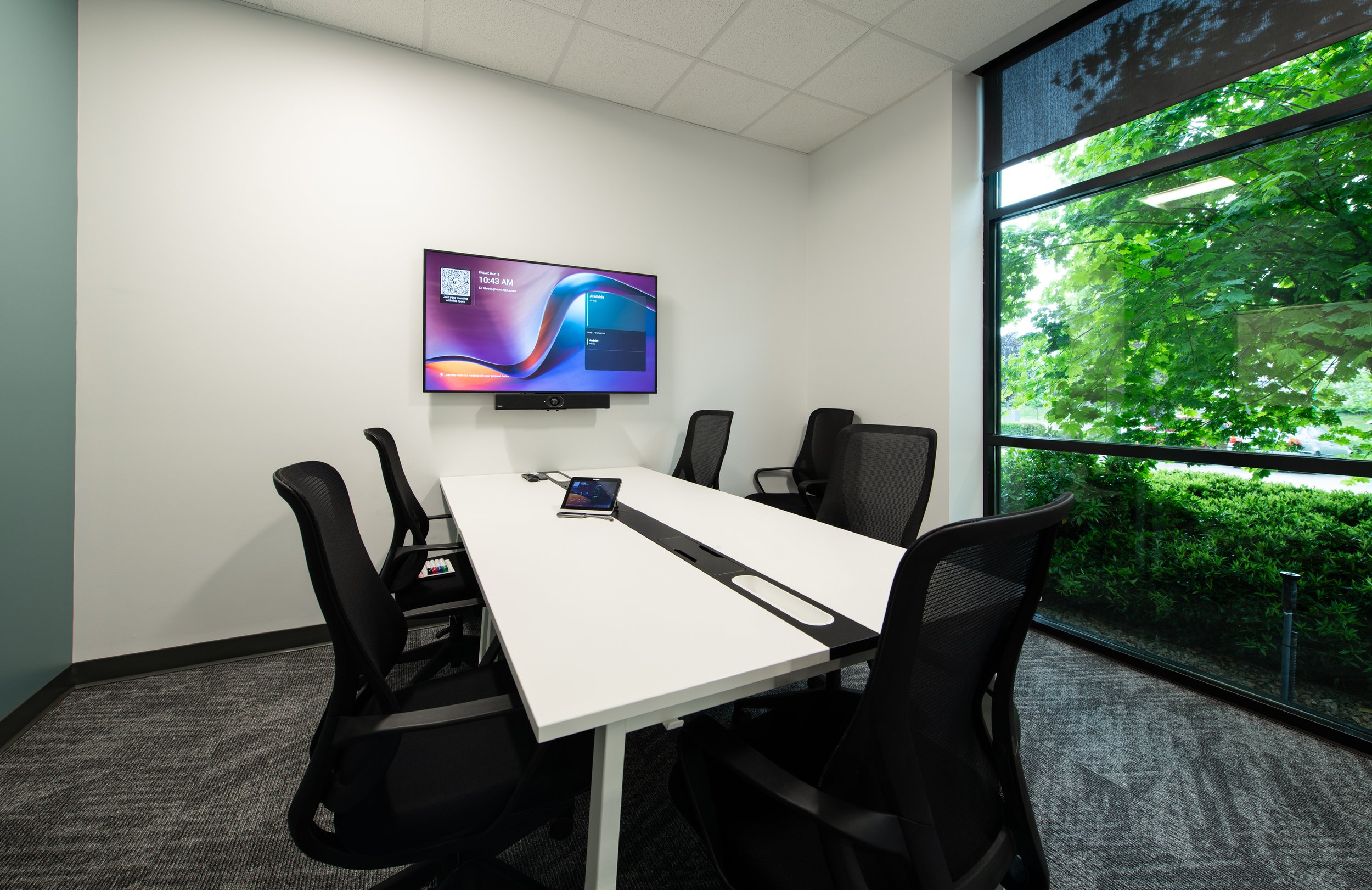
A meeting room that was used a few times a week is now full all day, and without a scheduling system, it accidentally gets double or triple booked. Teams are forced to adapt to rooms that are either too large or too small based on availability. A small huddle room that worked well for two or three employees joining a virtual meeting may not support a team of eight gathered around a table. Cameras struggle to capture everyone in the room, microphones muffle overlapping voices, and smaller displays are hard for large groups to see.
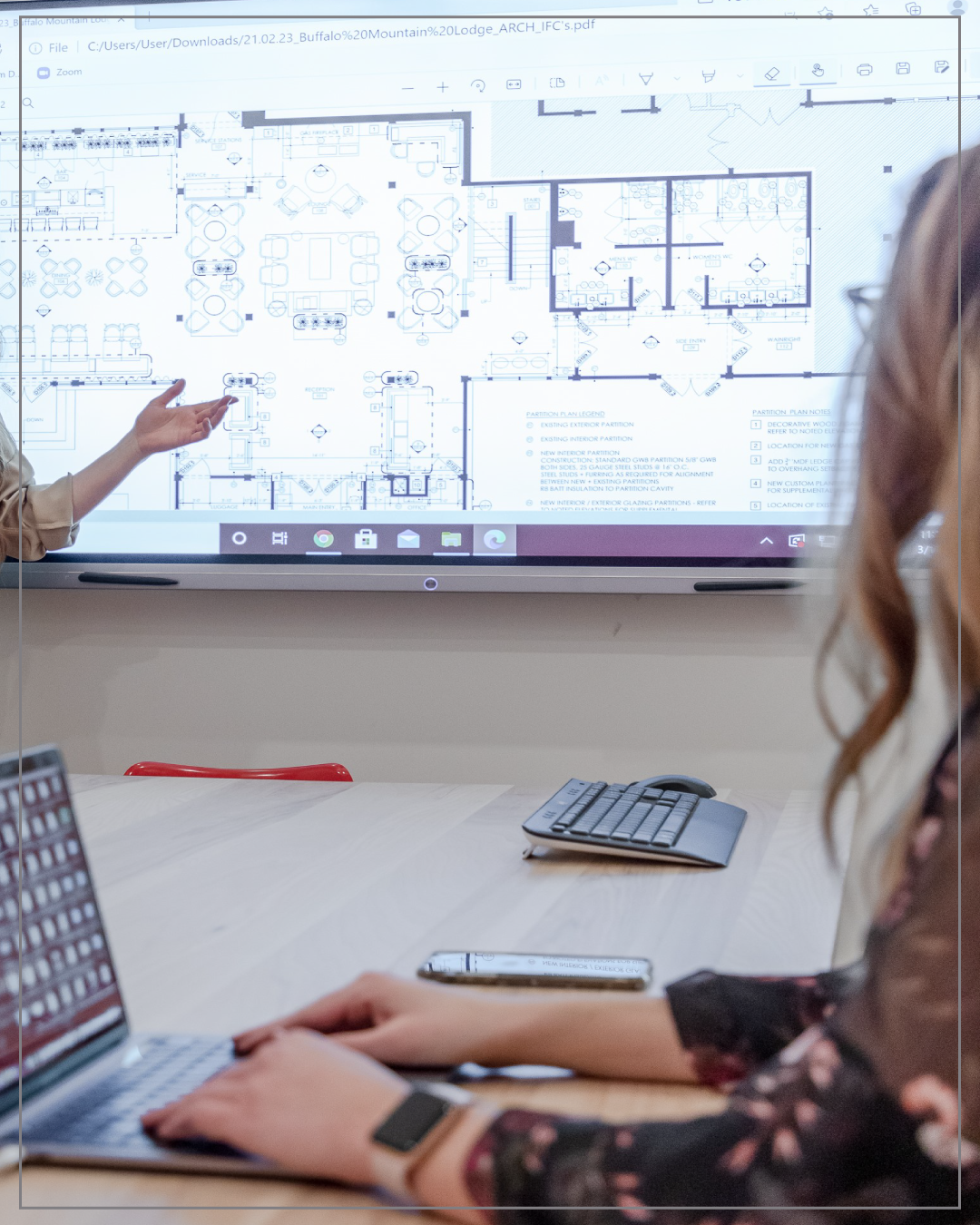
When employees can't be seen or heard properly, meetings become less productive. Over time, these challenges create frustration for employees and place additional strain on IT teams that are constantly being asked to troubleshoot spaces that were never designed for their current level of use.
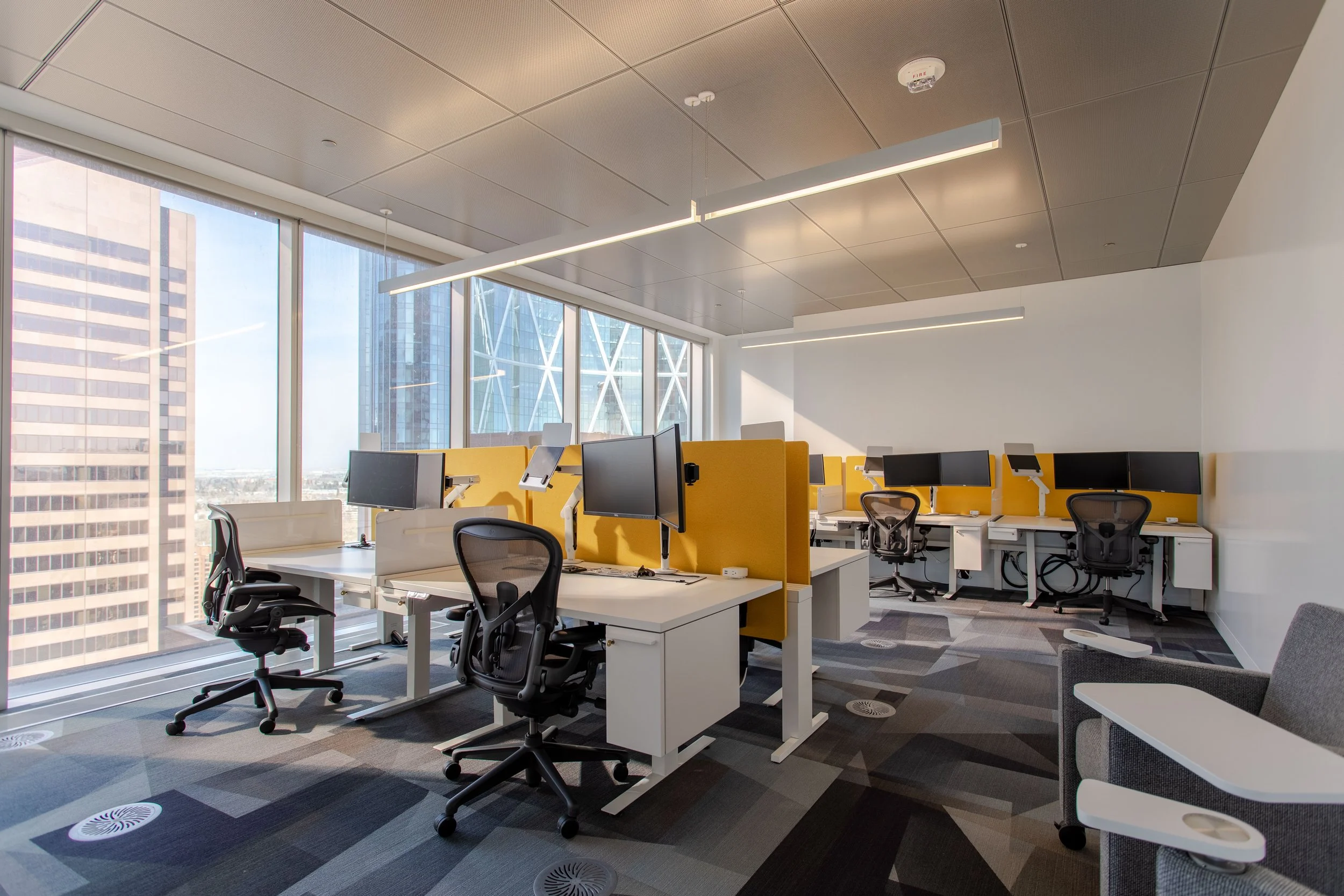
The lack of availability can also force staff to take meetings at their desk, which inevitably raises the noise level throughout the whole office. The louder the environment, the harder it is to focus and be productive.
It often becomes a balancing act between what is available and what is needed. The challenge isn't necessarily creating more space but ensuring existing meeting rooms and collaboration areas are equipped with the right technology to support the employees who rely on these spaces.
Making Your Workplace Ready for Increased Occupancy
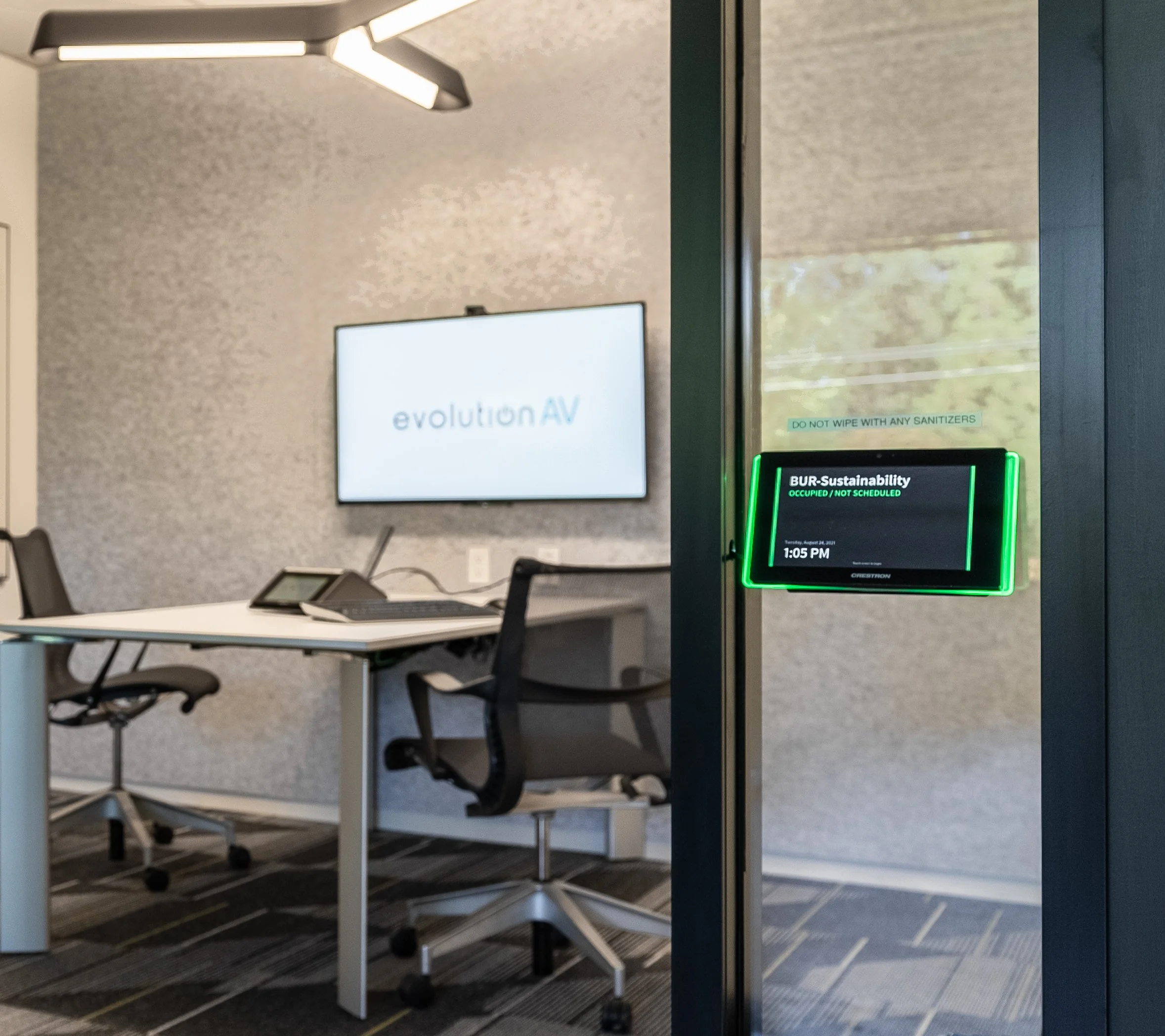
Facilities managers and IT directors need to look at ways to maximize the space they already have. While adding square footage isn't always realistic, improving how existing spaces are used can have a significant impact on the employee experience.
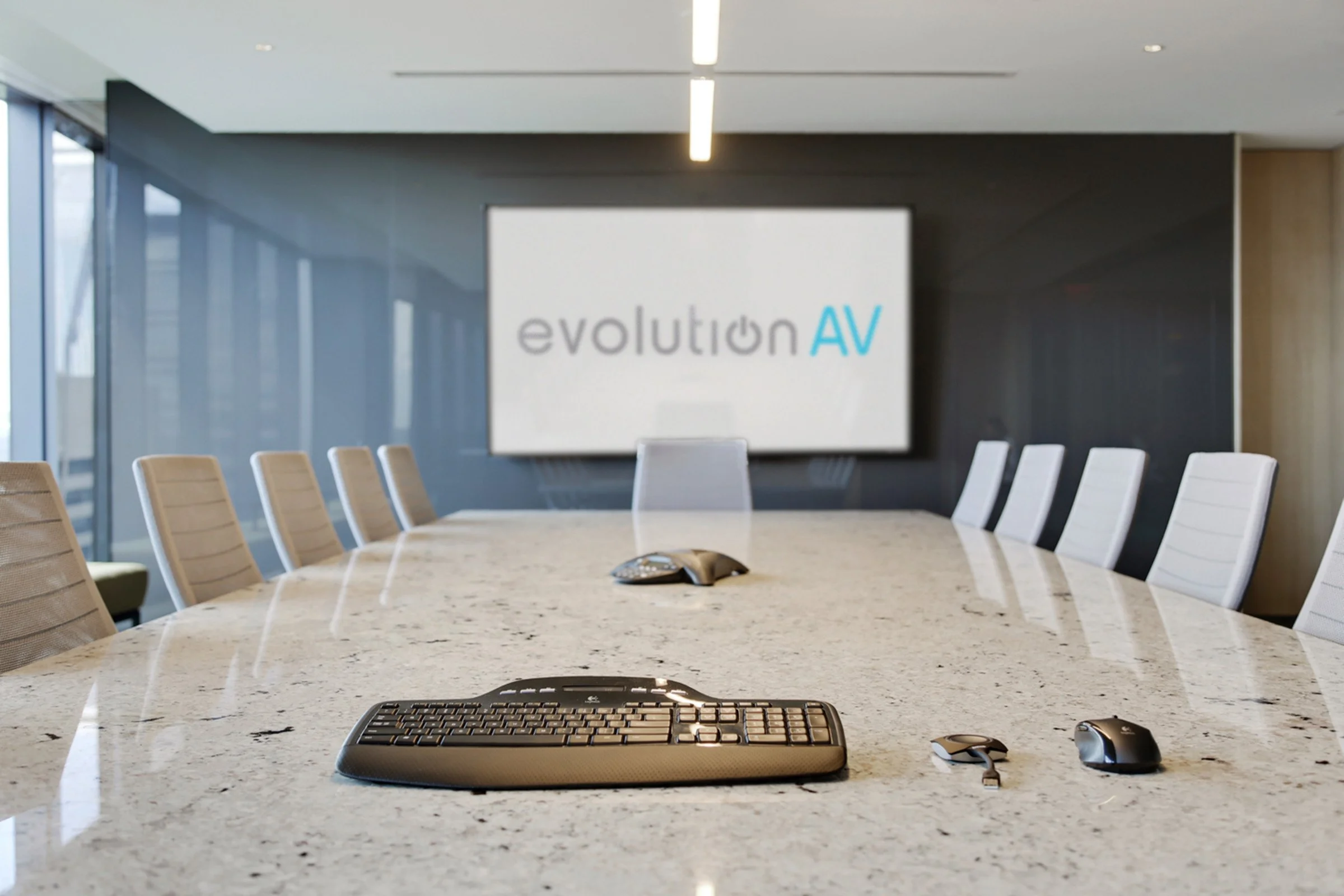
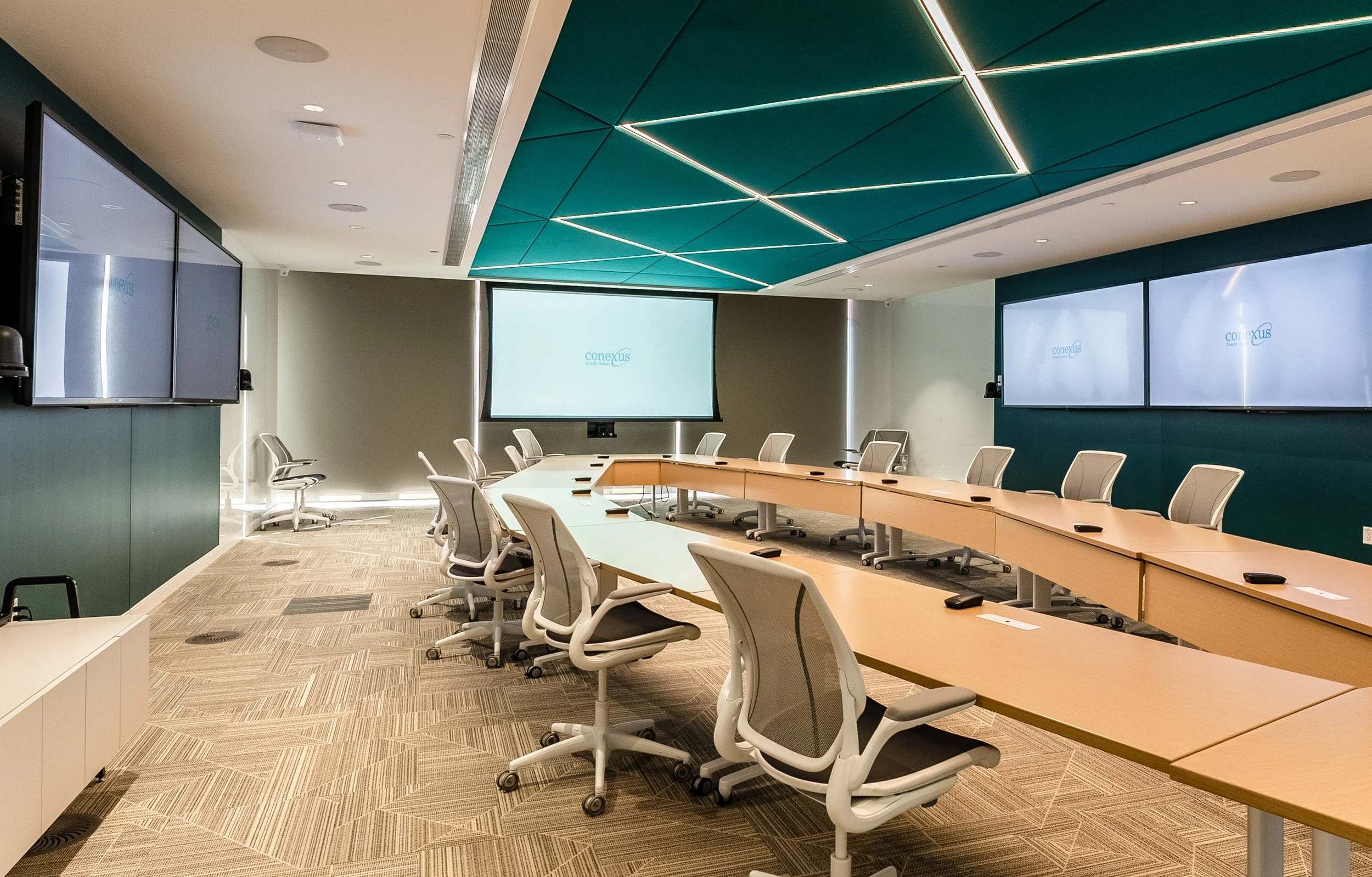
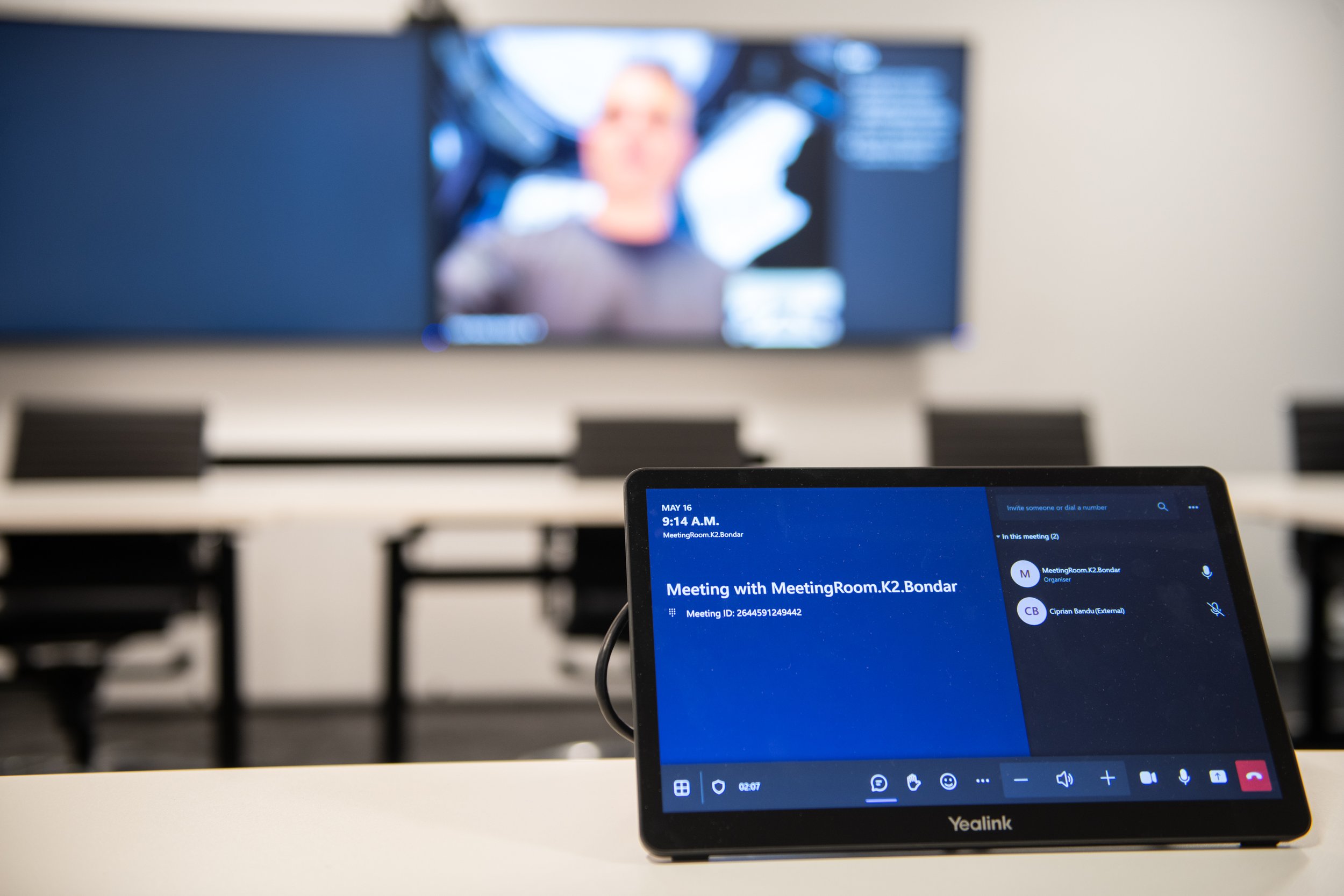
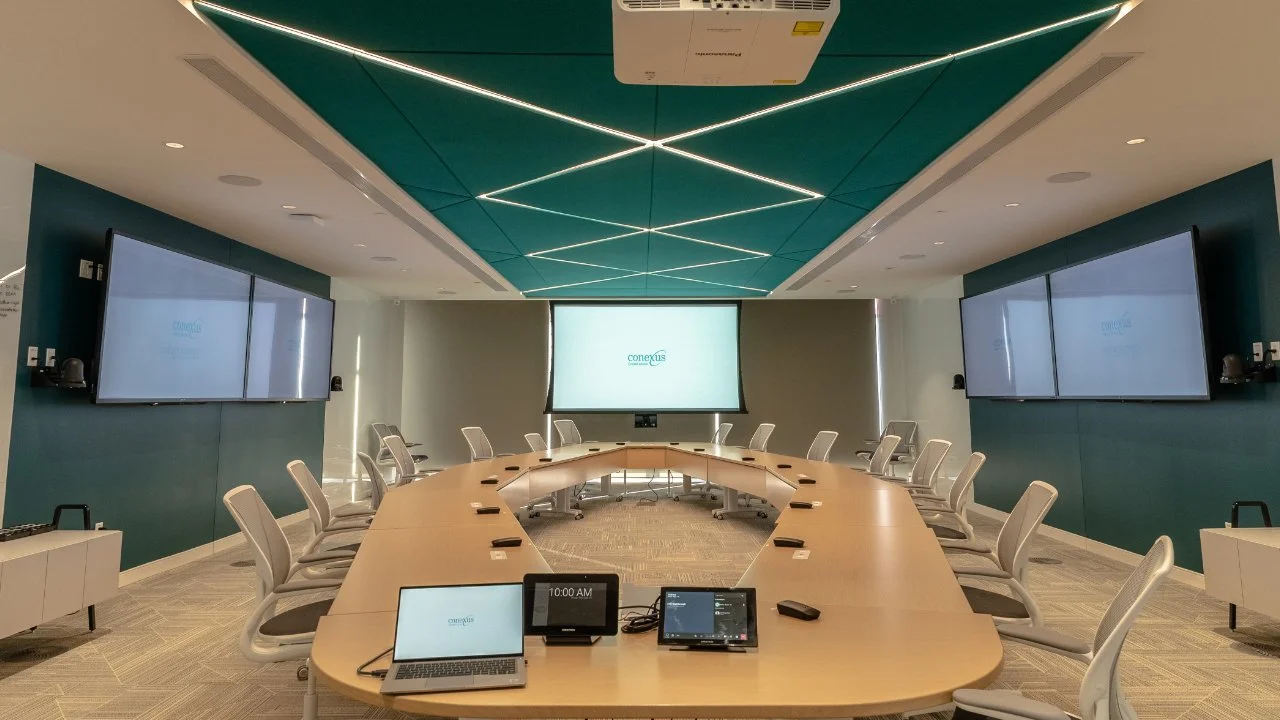
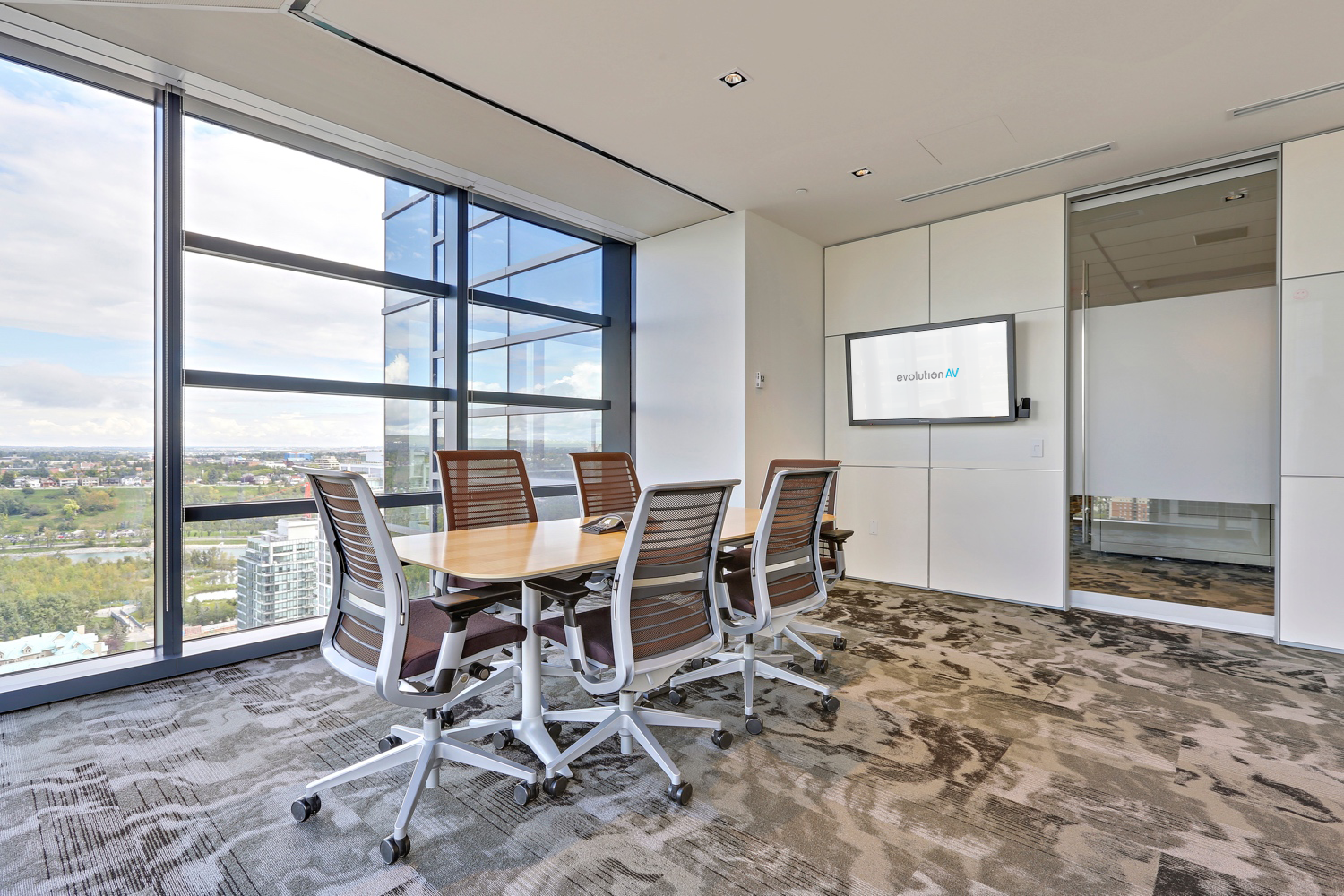
With intentional AV integration, underutilized spaces can transform into productive, flexible return to office meeting rooms that are easier to use and better equipped for the demand. Room booking systems help employees quickly find available spaces, scheduling panels reduce booking conflicts, sound masking and acoustic panels help manage the noise level, and updated video conferencing solutions make it easy to connect. Upgrading displays, cameras, microphones, and audio systems can also help ensure meeting spaces continue to perform reliably as usage increases.
Rather than reacting to capacity challenges after employees return, organizations have an opportunity to evaluate their spaces now and make strategic improvements before problems arise. Whether that means upgrading existing meeting rooms, converting underutilized spaces into huddle rooms, implementing room scheduling solutions, or introducing sound masking, the right technology can help create a workplace that supports both employees and long-term organizational goals.
Preparing for Canada's Next Workplace Shift
The July 6 mandate is a reminder that workplace needs continue to evolve. As office occupancy increases, having the right meeting room technology in place can be the difference between a workplace that feels overcrowded and one that just works.
Now is the time for facilities teams, IT departments, and workplace leaders to decide whether their spaces and technology are going to keep up with demand. Organizations that plan ahead will be better positioned to support employees, improve productivity, and create a workplace experience that works for everyone.
The question isn't whether employees are returning to the office or not, it’s whether your meeting spaces and workplace technology are ready when they do.
Preparing for a return-to-office initiative?
Whether you're upgrading existing meeting rooms, adding collaboration spaces, or implementing room scheduling technology, Evolution AV can help you create a workplace that's ready for increased occupancy. Contact our team to discuss your office and find the right solution for your space.

Frequently Asked Questions
-
As of July 6, 2026, federal employees who are eligible for hybrid work are required to work onsite four days per week, while executives are expected to work in the office full time. The policy is expected to increase office occupancy across many federal workplaces and may influence return-to-office strategies in other public sector organizations.
-
When more employees are working onsite, demand for meeting rooms and collaboration spaces naturally increases. Organizations often find that existing meeting rooms become fully booked, employees struggle to find spaces for virtual meetings, and workplace technology is used much more frequently than before.
-
As offices become busier, organizations should evaluate the technology in their meeting rooms, including displays, cameras, microphones, speakers, room scheduling systems, and video conferencing equipment. Upgrading these systems can improve meeting quality, support hybrid collaboration, and create a more consistent user experience across the workplace.
-
Many organizations can improve collaboration without expanding their office footprint by converting underused spaces into huddle rooms, implementing room booking systems, and upgrading existing meeting rooms with modern AV technology. These changes help maximize existing office space while supporting increased occupancy.
-
Evolution AV works with government organizations, public institutions, and businesses across Canada to design, install, and support workplace technology solutions. From meeting room upgrades and room scheduling systems to complete collaboration space design, our team helps organizations create workplaces that are ready for increased office occupancy and hybrid collaboration.